Home
How Every Persona Game Ranks From Worst to Best
For most players in 2026, the ranking of the Persona series is dominated by the "Modern Trilogy." Persona 5 Royal remains a top-tier choice for its refined mechanics, while Persona 4 Golden is widely regarded as having the most compelling character chemistry. Persona 3 Reload has successfully modernized the series' roots, making it a leading entry point for those seeking a darker narrative.
Why Ranking the Persona Series is a 500-Hour Task
Ranking the Persona series is no small feat. What began as a niche spin-off of the Shin Megami Tensei franchise has evolved into a global JRPG titan, known for its unique blend of dungeon crawling and high-school social simulation. As of 2026, the franchise spans nearly three decades, encompassing six mainline entries (if you count the two parts of Persona 2) and dozens of spin-offs across multiple genres.
The challenge in choosing which title to play first lies in the massive "Time-to-Value" ratio. According to data from Nintendo Life and community tracking, a single playthrough of a mainline Persona game averages between 80 and 100 hours. This significant time commitment means that selecting the right entry is crucial for newcomers who may not have 500 hours to explore the entire anthology.
In recent years, the impact of Persona 3 Reload has shifted the landscape, bringing the older titles up to modern standards. However, the "Big Three"—Persona 3, 4, and 5—continue to represent the pinnacle of the series for the vast majority of the fanbase. Whether you are looking for the fastest combat flow or the deepest emotional resonance, understanding how these titles compare is the first step in your journey through the Velvet Room.
The Persona Tier List at a Glance
To provide a clear overview, we have categorized the mainline games and major spin-offs into tiers based on their narrative depth, mechanical polish, and overall accessibility in the current gaming era.
Persona 5 Royal, Persona 4 Golden, Persona 3 Reload. These titles represent the series at its most refined and engaging.
Persona 2: Eternal Punishment, Persona 5 Strikers, Persona 4 Arena Ultimax. Exceptional writing or high-quality genre shifts.
Persona 3 Portable, Persona 5 Tactica, Persona 4: Dancing All Night. Great for fans, though they may lack some mainline depth.
Persona 1 (PSP), Persona 3 FES, Persona 2: Innocent Sin (PSP). Historically important but often hampered by dated mechanics.
While Metacritic scores often place Persona 5 Royal at the top with a consistent 95+ rating, user sentiment frequently fluctuates between P4G and P5R depending on whether the player prioritizes story or gameplay systems. The following table highlights the critical standing of the top titles.
| Game Title | Metacritic Score | Primary Strength | Average Playtime |
|---|---|---|---|
| Persona 5 Royal | 95 | Combat & UI Design | 100+ Hours |
| Persona 4 Golden | 93 | Character Writing | 85 Hours |
| Persona 3 Reload | 88 | Visuals & Themes | 80 Hours |
| Persona 5 Strikers | 83 | Action Combat | 45 Hours |
Why Persona 5 Royal Still Holds the Crown
For many, Persona 5 Royal (P5R) stands out as a top choice for both veterans and newcomers. It is the most polished version of the fifth entry, expanding on the original 2016 release with a wealth of new content, including a third academic semester, new characters, and significant mechanical overhauls. Its visual flair and stylish UI design have set a high standard for the entire JRPG genre.
The Baton Pass and Combat Flow
One of the primary reasons P5R ranks so highly is its refinement of the "One More" combat system. The introduction of the Baton Pass mechanic allows players to transfer their turn to a teammate after hitting an enemy's weakness, boosting damage and recovery. This creates a rhythmic, fast-paced flow that makes dungeon crawling feel less like a chore and more like a tactical dance. According to Kotaku , these refinements make P5R one of the most accessible entries for those who typically find turn-based combat slow.
The Third Semester Debate
The narrative addition of the "Third Semester" is a point of frequent discussion within the community. While it provides a deeper look into the motivations of the characters and introduces one of the series' most complex antagonists, some fans argue that the original "Vanilla" ending carried more narrative weight. However, the consensus remains that the additional 20-30 hours of content in Royal offers a more complete experience, even if the thematic shift in the finale is distinct from the base game.
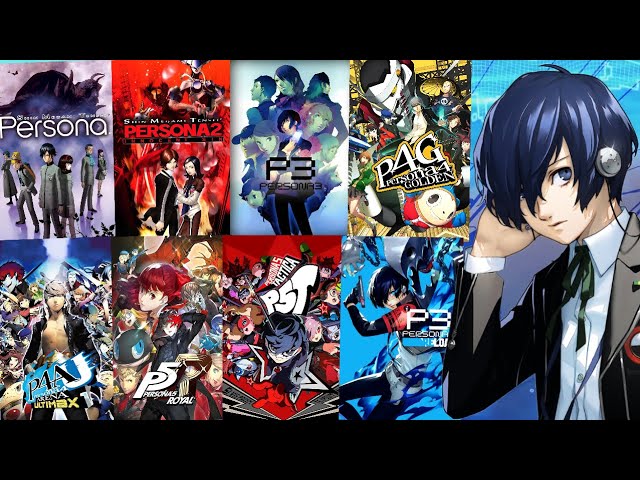
Image source: YouTube
Does Persona 4 Golden Feature the Strongest Story in the Series?
While Persona 5 Royal wins on style, Persona 4 Golden (P4G) is often cited as having the most heart. Set in the quiet, rural town of Inaba, the game trades the grand scale of Tokyo for a more intimate "murder mystery" vibe. The chemistry between the Investigation Team members is widely considered a high point for the franchise, fostering a sense of camaraderie that feels remarkably authentic.
The Small-Town Vibe of Inaba
The setting of Inaba plays a crucial role in the game's appeal. Unlike the sprawling districts of Persona 5, Inaba is a place where everyone knows your name, and the passage of time feels more personal. This rural atmosphere has even led to a long-running community joke known as the "Literal Raking Scale." Fans often rate P4G a 9/10 on this scale due to the abundance of trees and yard work themes, contrasting it with the urban concrete of P5, which scores significantly lower.
The Quality of Life Gap
Despite its narrative strengths, P4G does show its age when compared to newer titles. There is a noticeable "Quality of Life (QOL) Gap" that players should be aware of. For instance, in P4G, players must manually check menus for Arcana information, a task that is automated in Persona 5 Royal and Persona 3 Reload . These small frictions don't ruin the experience, but they do make the game feel like a product of its time (originally released on the PS Vita in 2012).
How Persona 3 Reload Changed the Ranking Landscape
Until recently, Persona 3 was a difficult game to recommend due to its fragmented versions. You had to choose between the cinematic experience of FES or the playable female protagonist in Portable . The release of Persona 3 Reload in 2024 changed everything, providing a ground-up remake that brings the original's tragic story into the modern era with stunning visuals and updated mechanics.
Modernizing a Tragedy
Reload successfully integrates the "Theurgy" system—powerful ultimate attacks that charge over time—giving players more tactical options during the climb up Tartarus. It also removed the controversial "Fatigue" mechanic from the original game, which forced players to leave the dungeon if their characters became tired. These changes make the experience much smoother while preserving the heavy, emotional themes of mortality that define the story.
The Missing Content Conflict
However, Reload is not without its controversies. While it is a top-tier remake, it initially lacked "The Answer" epilogue from Persona 3 FES and still does not include the female protagonist route from Portable . This means that for completionists, there is no single "perfect" version of Persona 3, though Reload is undoubtedly the most enjoyable way to play the main story today.
Ranking the Classic Era of Persona 1 and Persona 2
Before the series became a social simulator, it was a much darker, more traditional dungeon crawler. The "Classic Era" consists of Revelations: Persona and the Persona 2 duology ( Innocent Sin and Eternal Punishment ). While these games lack the calendar system and Social Links that modern fans love, they offer some of the most mature and experimental writing in the franchise.
The Persona 2 Duology
Many long-time fans argue that Persona 2 features the best writing in the entire series. The story deals with rumors becoming reality and features a cast of adults rather than high schoolers. However, the gameplay is significantly dated, with high encounter rates and a complex demon negotiation system that can be off-putting to those used to the streamlined flow of Persona 5.
The Version Trap for Innocent Sin
Newcomers should be wary of the "Version Trap" when approaching Persona 2: Innocent Sin . The PSP version features a modernized UI and better graphics, but many veterans point out that it is significantly easier than the original PlayStation version, sometimes to the point of removing the challenge entirely. Choosing between the two often comes down to whether you prefer a smooth user experience or a balanced difficulty curve.
Which Persona Spin-Offs Are Actually Worth Playing?
The Persona franchise is famous for its spin-offs, which range from rhythm games to tactical RPGs. Unlike many other series, Persona spin-offs often contain canon story content that continues the journey of the main cast.
Persona 5 Strikers as a True Sequel
Persona 5 Strikers is a notable advancement for the series. While it adopts a "Musou" or action-RPG combat style, it is a direct narrative sequel to the original Persona 5 . It offers a 40-50 hour story that feels like a "summer vacation" road trip with the Phantom Thieves, making it a must-play for fans of the P5 cast.
Persona 4 Arena Ultimax as a Competitive Fighter
Developed in collaboration with Arc System Works, Persona 4 Arena Ultimax is a legitimate competitive fighting game. It features rollback netcode and high-quality pixel art, serving as a crossover sequel for both the Persona 3 and Persona 4 casts. It is widely regarded as one of the strongest licensed fighting games ever made.
What Is the Hardest Persona Game to Beat?
Difficulty in the Persona series has generally trended downward as the mechanics have become more refined. If you are looking for a challenge, the ranking of difficulty typically looks like this:
- Persona 3 FES: Known for its uncontrollable AI party members and the fatigue system, making boss fights a test of patience and RNG management.
- Persona 2: Eternal Punishment: Features complex systems and a steep difficulty curve that requires deep knowledge of the series' mechanics.
- Persona 4 Golden: Offers a balanced challenge, though certain bosses (like the one in the 4th dungeon) are notorious for being "difficulty spikes."
- Persona 5 Royal: Generally considered the easiest entry due to the sheer number of powerful tools available to the player, such as the Baton Pass and powerful Confidant abilities.
Where Should You Start the Persona Series in 2026?
The best starting point depends entirely on what you value in a gaming experience. Because the games are an anthology, you do not need to play them in chronological order.
- Scenario A: "I want the most modern experience." Start with Persona 5 Royal . Its UI, combat, and dungeon design are the most refined in the series.
- Scenario B: "I want the best character chemistry." Start with Persona 4 Golden . The bond between the main cast is exceptionally strong and provides a cozy, memorable experience.
- Scenario C: "I want a dark, emotional story." Start with Persona 3 Reload . It offers the best balance of modern gameplay and a profound, philosophical narrative.
Where to Play Every Persona Game Today
As of 2026, the "Big Three" are more accessible than ever, having been ported to all major modern platforms. The following matrix shows where you can find each title.
| Game Title | PC (Steam) | Nintendo Switch | PS5 | Xbox Series X/S |
|---|---|---|---|---|
| Persona 3 Reload | Yes | No | Yes | Yes |
| Persona 4 Golden | Yes | Yes | Yes | Yes |
| Persona 5 Royal | Yes | Yes | Yes | Yes |
| Persona 5 Strikers | Yes | Yes | Yes | No |
Frequently Asked Questions
- What is the highest-rated Persona game?
- According to Metacritic, Persona 5 Royal is the highest-rated title in the series, often maintaining a score of 95 or higher. Its combination of stylish presentation and deep mechanical refinement makes it a favorite among critics and players alike.
- Is Persona 3 Reload better than Persona 5 Royal?
- This is a matter of personal preference. Persona 5 Royal offers more content and a more polished UI, while Persona 3 Reload features a more focused, emotional story. Both are considered top-tier entries in the modern JRPG landscape.
- Can I skip Persona 1 and 2?
- Yes, you can skip them without losing any context for the modern games. Persona 3, 4, and 5 are standalone stories. While P1 and P2 are historically significant, their gameplay is very different from the modern social-sim style.
- How long does it take to beat Persona 5 Royal?
- A standard playthrough that includes the Third Semester content typically takes between 100 and 120 hours. If you aim for a completionist run, you can easily spend over 150 hours in a single save file.
- What is the difference between Persona and Shin Megami Tensei?
- While Persona is a spin-off of Shin Megami Tensei (SMT), it focuses heavily on social simulation and character relationships. SMT games are generally more difficult, post-apocalyptic, and focused purely on dungeon crawling and demon fusion.
Final Thoughts on the Persona Rankings
The Persona series offers some of the most rewarding experiences in gaming, provided you are willing to invest the time. Here are the key takeaways to remember:
- Persona 5 Royal is the most accessible and mechanically refined entry point for new players.
- Persona 4 Golden remains the gold standard for character writing and small-town atmosphere.
- Persona 3 Reload is the definitive way to experience the series' darker, more philosophical roots.
- Spin-offs like Strikers are high-quality additions that offer genuine narrative value, not just simple cash-ins.
- The Classic Era (P1 and P2) is best reserved for veterans who appreciate traditional, challenging dungeon crawlers.
- Platform availability is at an all-time high, making 2026 an excellent time to start the series.
Before you dive in, choose the game that matches your preferred "vibe"—whether it's a stylish heist, a rural mystery, or a tragic supernatural drama—and prepare for a journey that will likely stay with you long after the credits roll.