Home
How to Unlock and Cook Every Recipe in Stardew Valley 1.6
As of the 1.6 update, there are 81 cooking recipes required for the Gourmet Chef achievement. To unlock them all, you must watch "The Queen of Sauce" on TV over a two-year cycle, reach high friendship levels with specific NPCs, and purchase exclusive recipes from shops like the Stardrop Saloon and the Ginger Island Resort. The 1.6 update introduced Moss Soup and the Queen of Sauce Cookbook , which allows players to instantly learn missed TV recipes.
Cooking is a central pillar of the Stardew Valley experience, transitioning from a simple way to restore energy to a complex system required for reaching 100% Perfection. Whether you are aiming for the "Gourmet Chef" achievement or simply looking to optimize your daily farm work with powerful buffs, mastering the kitchen is essential. The 1.6 update has refined this system, adding new content and quality-of-life features that make the journey toward culinary mastery more accessible than ever before.
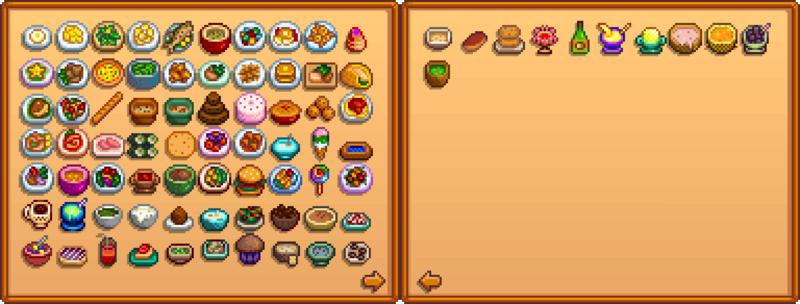
Image source: Stardew Valley Wiki
How to Unlock the Kitchen and Start Cooking
Before you can begin your culinary journey, you must have a place to prepare your meals. In the early game, your farmhouse lacks the necessary facilities. The primary way to unlock cooking is through the first Farmhouse upgrade. By visiting Robin at the Carpenter's Shop and providing 50,000g and 450 Wood , she will expand your home to include a kitchen and a refrigerator.
The refrigerator is a vital tool for any aspiring chef. It provides 36 slots of storage, and any ingredients placed inside are automatically available when you interact with the stove. This eliminates the need to carry dozens of ingredients in your active inventory. As your farm grows, you can purchase Mini-Fridges from Robin or Gus to expand this automated storage system, allowing you to keep hundreds of ingredients organized and ready for use.
For those who prefer a nomadic lifestyle or need to cook while exploring the Mines, the Cookout Kit is a valuable alternative. Unlocked at Foraging Level 3, this craftable item allows you to set up a temporary cooking station anywhere in the world. While it is a one-time-use item that disappears overnight, it provides the same cooking interface as your home kitchen, making it a top choice for long expeditions where energy-restoring meals are a necessity.
Where to Find Every Cooking Recipe in the Game
Unlocking the kitchen is only the first step; you must also learn the recipes themselves. Recipes in Stardew Valley are acquired through four primary methods: television broadcasts, NPC friendships, shop purchases, and special events. According to the official Stardew Valley Wiki , missing a recipe window can set your progress back significantly, so staying organized is key.
The Queen of Sauce TV Schedule
The most common source of recipes is the "Queen of Sauce" television program. This show airs every Sunday for the first two years of the game, teaching a new recipe each week. The cycle repeats every two years, meaning if you miss a recipe in Year 1, you would typically have to wait until Year 3 to see it again. However, the Wednesday "Re-run" broadcast prioritizes recipes that the player does not yet know, providing a safety net for busy farmers.
Building NPC Friendships
Many of the most effective dishes are taught to you by the residents of Pelican Town. As you build rapport with villagers, they will occasionally mail you recipes as a token of their friendship. For example, reaching a 7-heart friendship with Shane will net you the recipe for Pepper Poppers, while Pam will share the secret to her famous Parsnip Soup at 3 hearts. It is important to check your mail daily, as these recipes are often tied to the specific needs and tastes of the NPCs.
Purchasing Recipes from Shops
Some recipes are strictly commercial. Gus at the Stardrop Saloon sells several staples, including the recipe for Bread and Pizza. Other recipes are found in more remote locations, such as the Ginger Island Resort or Pierre’s booth during seasonal festivals. The 1.6 update also introduced the Queen of Sauce Cookbook , which can be purchased from the Bookseller. This item is a significant advancement for completionists, as reading it immediately teaches any missed recipes from the TV show's rotation.
Total Ingredients Needed for the Gourmet Chef Achievement
To cook every dish at least once, you will need a massive variety of ingredients. Planning your crops and hoarding animal products is the most efficient way to ensure you don't get stuck waiting for a specific season. Based on community data from Reddit's 1.6 ingredient tracking , the following tables summarize the total requirements for a full completion run.
Essential Crop Requirements
| Crop Type | Total Needed | Primary Season |
|---|---|---|
| Tomato | 8 | Summer |
| Wheat Flour (Wheat) | 22 | Summer / Fall |
| Pumpkin | 3 | Fall |
| Red Cabbage | 3 | Summer (Year 2) |
| Hot Pepper | 3 | Summer |
| Potato | 2 | Spring |
Animal and Artisan Goods
Animal products are used in a high volume of recipes, particularly those that serve as "intermediate" steps for more complex meals. You will need at least 12 Milk (any size), 8 Eggs , and 3 Cheese . Additionally, artisan goods like Mayonnaise and Oil are required for several high-tier dishes. Keeping a steady supply of these items in your Mini-Fridges is widely considered a top strategy for late-game cooking.
Foraged Items and Fish
The 1.6 update added Moss Soup , which requires 20 Moss—a new foraged resource found on trees. Beyond this, you will need a variety of fish, including 4 Carp, 2 Sardines, and 2 Eels. Don't forget the smaller creatures; 2 Periwinkles and 2 Shrimp are necessary for seafood-based recipes like Chowder and Shrimp Cocktail.
A Chronological Roadmap for Planting Your Cooking Ingredients
To finish the Gourmet Chef achievement within two years, you must sync your farming schedule with the recipe unlock dates. Many players find themselves missing a single ingredient in Winter, forcing them to wait months for the next growing season. This roadmap highlights the priorities for each season in Year 1.
Year 1 Spring Essentials
Focus on growing Kale, Parsnips, and Cauliflower . You will also need to forage Wild Horseradish and Leeks. If you have unlocked the Desert, purchase Rhubarb seeds immediately, as Rhubarb Pie is a requirement that many players overlook until it is too late. Also, ensure you plant at least one Blue Jazz flower for the Lucky Lunch recipe later on.
Year 1 Summer Priorities
Summer is the busiest season for cooking crops. You must hoard Tomatoes and Hot Peppers , as they are used in multiple recipes. Melons and Blueberries are also vital. This is also the time to ensure you have a steady supply of Corn, which is used to make Tortillas—a base ingredient for several other dishes. If you are playing with "Guaranteed Year 1 Completable" settings, check the Traveling Cart for Red Cabbage seeds.
Year 1 Fall Must-Haves
Fall is all about Pumpkins and Yams . These are used in heavy, energy-dense meals like Autumn's Bounty and Pumpkin Pie. You should also grow Eggplant and Bok Choy. By the end of Fall, you should have most of your vegetable requirements met, leaving Winter for fishing and processing artisan goods like Cloth and Oil.
1.6 Update Alert: Don't forget to collect 20 Moss for the new Moss Soup recipe! Moss is most abundant during the Green Rain event but can be found on trees throughout the year.
Don't Eat These 8 Intermediate Recipes by Mistake
One of the most common pitfalls in Stardew Valley cooking is consuming a dish that is actually an ingredient for a more complex recipe. This can be incredibly frustrating if the original ingredients were rare or seasonal. To avoid this, treat the following dishes as "protected" items in your inventory.
- Bread: Used for Stuffing and Bruschetta.
- Tortilla: A vital component for Lucky Lunch and Fish Tacos.
- Hashbrowns: Required for the Complete Breakfast.
- Omelet: The base for Cheese Cauliflower.
- Pancakes: Another requirement for the Complete Breakfast.
- Fried Egg: Used in multiple recipes including Cookie and Sashimi.
- Dish o' The Sea: Used as an ingredient for Fish Tacos.
- Coffee: While a great buff on its own, you need it to craft Triple Shot Espresso.
By saving these intermediate dishes, you save yourself the time and resources of re-cooking the base components. This is especially important for recipes like the Complete Breakfast , which requires a multi-step process involving Fried Eggs, Milk, Hashbrowns, and Pancakes. Many players consider this one of the most tedious recipes to complete, so efficiency is paramount.
How to Organize Your Kitchen with Mini-Fridges
As you approach the end of your Gourmet Chef journey, your ingredient list will grow to over 80 unique items. Managing this in a single refrigerator is nearly impossible. The "Mini-Fridge Meta" involves purchasing multiple units from Gus or Robin and placing them in your kitchen area. The game will pull ingredients from all connected fridges automatically when you use the stove.
To keep your kitchen running smoothly, consider the following categorization strategy:
- Fridge 1: Seasonal Crops
- Store your Tomatoes, Pumpkins, and Cauliflower here. Organize them by season to easily see what you are missing.
- Fridge 2: Fish and Seafood
- Keep your Carp, Eels, and foraged beach items like Clams and Mussels here. This prevents you from accidentally using a rare fish for a generic "Any Fish" recipe like Sashimi.
- Fridge 3: Animal Products and Artisan Goods
- This is the place for Milk, Eggs, Cheese, and Flour. Since these are used in almost every recipe, keeping them separate makes restocking easier.
This organization not only prevents inventory clutter but also protects your rare ingredients. By keeping your "intermediate" recipes in a specific fridge, you are less likely to grab them for a quick snack while heading out to the Mines.
Using Qi Seasoning to Make Gold Quality Dishes
Once you reach the late game and unlock Mr. Qi’s Walnut Room on Ginger Island, you gain access to Qi Seasoning . This item ranks among the top upgrades for any player focused on combat or high-efficiency farming. When you have Qi Seasoning in your inventory or refrigerator, any dish you cook will automatically be upgraded to Gold quality.
The benefits of Gold-quality food are significant:
- Stat Boosts: Most combat and skill buffs (like Luck, Defense, or Mining) receive a +1 bonus.
- Healing: Health and Energy restoration are increased by 80%.
- Sell Price: The market value of the dish increases by 50%.
- Duration: The duration of the buffs is extended by 50%.
It is important to remember the rules of buff stacking. You can have one food buff and one drink buff active at the same time. For example, eating a Gold-quality Spicy Eel (+2 Luck, +2 Speed) and drinking a Coffee (+1 Speed) will give you a total of +3 Speed and +2 Luck. If you eat another food item with buffs, it will overwrite the Spicy Eel's effects. However, eating food without buffs (like Bread) will not remove your current active bonuses.
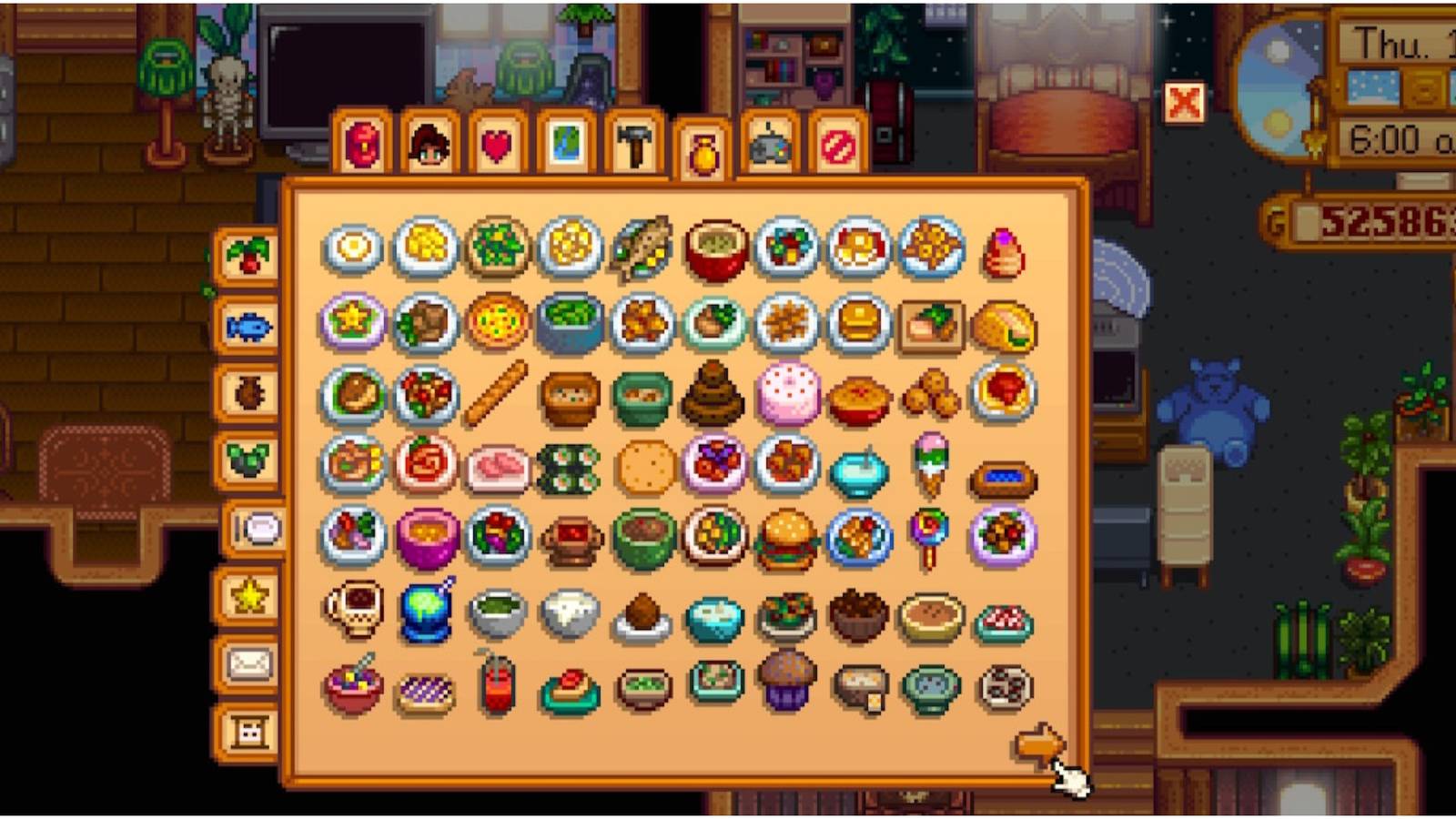
Image source: TheGamer
How to Fix Missing Recipes and Track Your Perfection Progress
Even the most diligent players can run into issues where a recipe seems to be missing. In the 1.6 update, some players reported bugs where new recipes like the Fish Smoker or Moss Soup didn't appear in their crafting or cooking menus immediately. Usually, this can be resolved by restarting the game or ensuring your version is fully updated to the latest patch.
For those struggling to identify which of the 81 recipes they are missing, the Stardew Checkup tool is an exceptional resource. By uploading your save file to this web-based utility, you can see a detailed breakdown of your Perfection progress, including exactly which recipes you have yet to cook. This is much more reliable than trying to match silhouettes in the in-game menu, which can be confusing for similar-looking dishes.
In the in-game Cooking tab, a recipe you haven't cooked yet will appear as a black silhouette. Once you have cooked it at least once, the icon will become colored. If you have the recipe but haven't cooked it, the icon will be colored but the "Times Cooked" counter will be zero. Pay close attention to these visual cues to avoid wasting ingredients on dishes you have already completed.
Key Takeaways for Gourmet Chef Completion
- Upgrade your farmhouse early to access the kitchen and refrigerator storage.
- Watch "The Queen of Sauce" every Sunday and check Wednesday re-runs for missed recipes.
- Hoard 8 specific intermediate dishes (like Bread and Tortillas) to use as ingredients for complex meals.
- Utilize Mini-Fridges to automate ingredient pulling and keep your kitchen organized.
- Collect 20 Moss for the 1.6-exclusive Moss Soup recipe as soon as possible.
- Use Qi Seasoning in the late game to boost the effectiveness of your buffs and healing.
- Track your progress using external tools like Stardew Checkup to identify missing silhouettes.
Start by planting a surplus of Tomatoes and Wheat this season to ensure you have the foundation for dozens of required recipes.
Frequently Asked Questions
How many cooking recipes are in Stardew Valley 1.6?
There are exactly 81 cooking recipes in the 1.6 update. This is an increase from the 80 recipes found in version 1.5, with the addition of Moss Soup. To achieve the Gourmet Chef achievement and reach 100% Perfection, you must cook every single one of these dishes at least once. The game tracks this in your Collections tab, where cooked items are highlighted in color.
Do you need to cook every recipe for Perfection?
Yes, cooking every recipe is a mandatory requirement for the "Gourmet Chef" achievement, which in turn is a requirement for the Perfection tracker found in Mr. Qi's Walnut Room. You do not need to ship the cooked items, but you must prepare them at a stove or using a Cookout Kit. Once a dish is cooked, it will be counted toward your total progress regardless of whether you eat it, sell it, or gift it.
What is the hardest recipe to get in Stardew Valley?
The difficulty of a recipe often depends on your playstyle. For many, recipes tied to late-game friendship, such as those from Leo on Ginger Island, are the hardest to acquire because they require significant progression. Others find the "Complete Breakfast" to be the most challenging due to its multi-step ingredient chain. Additionally, recipes like the Tropical Curry require access to the Ginger Island Resort, which costs 20 Golden Walnuts to unlock.
How do I get the Queen of Sauce recipes I missed?
If you miss a Sunday broadcast, you have two main options. First, you can watch the Wednesday "Re-run" episodes, which are designed to prioritize recipes you haven't learned yet. Second, in the 1.6 update, you can purchase the "Queen of Sauce Cookbook" from the Bookseller NPC who visits Pelican Town twice a month. Reading this book will instantly teach you any recipes that have already aired on TV but that you haven't learned.
Does Qi Seasoning work on every dish?
Yes, Qi Seasoning applies to every recipe in the game as long as the seasoning is present in your inventory or a connected refrigerator while you are cooking. It automatically consumes one unit of seasoning per dish prepared. The resulting Gold-quality dish will have significantly improved stats, making it a top choice for players heading into difficult areas like the Skull Cavern or the Volcano Dungeon.