Home
Should You Play Pokémon Diamond, Pearl, or Platinum in 2026?
If you are looking for the most complete and technically polished experience, Pokémon Platinum is widely regarded as the top choice. It addresses the slow engine speeds of the original games, expands the available Pokémon roster, and adds significant post-game content like the Battle Frontier. However, for those on a budget, Diamond and Pearl offer the core Sinnoh story at a lower entry price, albeit with a more limited selection of Fire-type Pokémon and a steeper difficulty curve at the end-game.
Deciding between the original DS releases of the Sinnoh region can be a daunting task for collectors and new players alike in 2026. While Pokémon Diamond and Pearl (DP) introduced the world to the fourth generation of Pokémon, Pokémon Platinum was released two years later as an enhanced version designed to refine the experience. Understanding the nuances between these three titles—and how they compare to the modern Nintendo Switch remakes—is essential for making an informed purchase.
Why Pokémon Platinum is Widely Considered the Definitive Sinnoh Experience
The "Version 1.5" Reality
It is helpful to view Pokémon Platinum not as a sequel, but as a "v1.5" or an "enhanced director's cut." According to Wikipedia's overview of the title , Platinum was designed to consolidate the strengths of both Diamond and Pearl while introducing new mechanics that the original hardware could better support after two years of optimization. It serves as a bridge, taking the foundation of the Sinnoh region and layering on features that many fans felt were missing during the initial 2006 launch.
Content Gaps and Critical Reception
The gap in content between the versions is significant. While Diamond and Pearl focused heavily on the legendaries Dialga and Palkia, Platinum centers its narrative on Giratina and the introduction of the Distortion World. This addition, alongside the return of the Battle Frontier—a feature beloved by competitive players—helped Platinum earn a Metacritic score of 84/100 . Critics and players alike often point to Platinum as the peak of the 2D Pokémon era, citing its improved pacing and deeper lore.
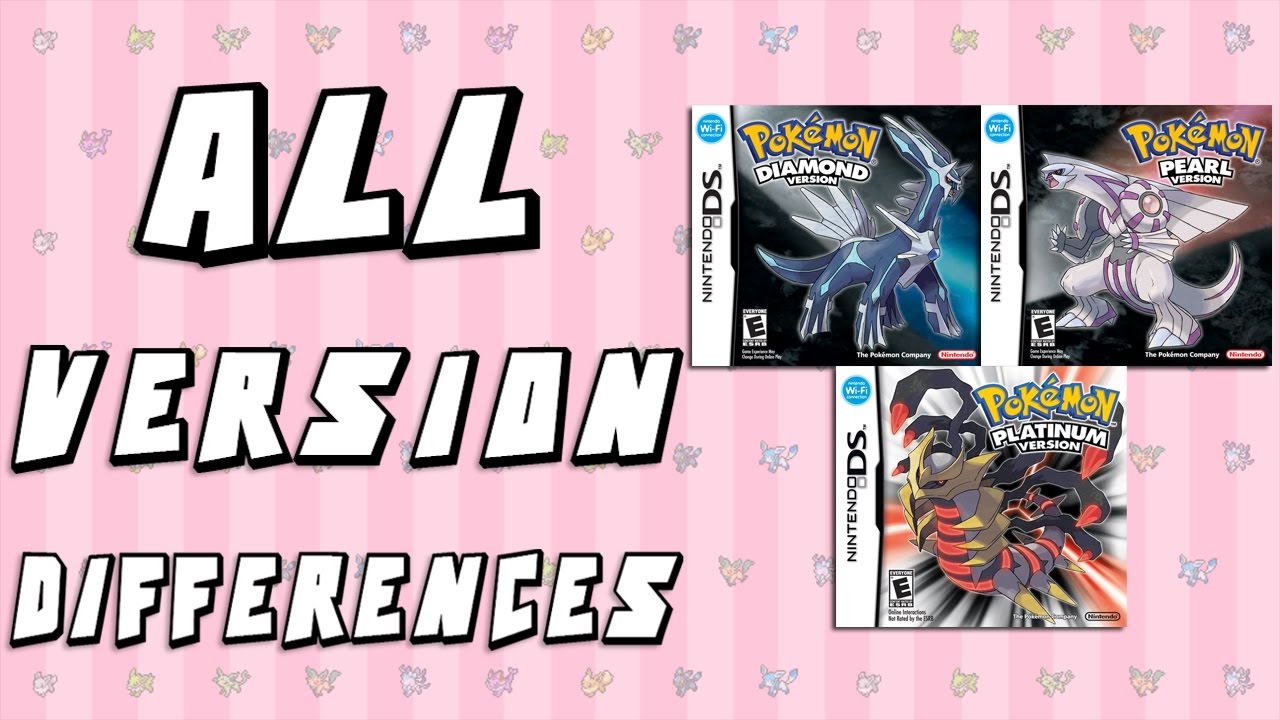
Image source: YouTube
How Gameplay Speed and Technical Performance Differ
The Sluggish Engine of Diamond and Pearl
One of the most frequent complaints regarding the original Diamond and Pearl is the technical sluggishness. The engine used in these games is notoriously slow in several key areas:
- HP Bar Depletion: In DP, when a Pokémon takes damage, the health bar drains at a glacial pace, especially for high-HP targets like Blissey.
- Surfing Speed: Moving across water in DP feels significantly slower than walking, which can make late-game navigation tedious.
- Saving Data: The "Saving a lot of data" message is a constant companion in the original versions, often taking upwards of 15-20 seconds.
Platinum's Optimization and Quality of Life
Pokémon Platinum significantly optimized the engine. The HP bars now drop much faster, and the surfing speed was increased to match the walking pace. Furthermore, the Pokétch (the dual-screen watch tool) received a vital upgrade: a "Back" button. In the original games, if you accidentally skipped the app you wanted, you had to cycle through all 20+ apps again. Platinum fixed this minor but frustrating design flaw, making the second screen much more functional.
Engine Quirks and the Acid Rain Glitch
Beyond performance, there are specific "tribal knowledge" glitches that differentiate these games. Diamond and Pearl are famous for the "Void Glitch" (or tweaking), which allowed players to bypass map boundaries to reach legendary Pokémon like Darkrai and Shaymin without official event items. While this was patched in Platinum , the enhanced version introduced its own unique quirk: the "Acid Rain" glitch. As noted by community researchers like RuffledRowlit, if a Pokémon is knocked out by the move Pursuit while switching out during weather, all weather effects (Rain, Sandstorm, Hail, and Sun) can trigger simultaneously, creating a chaotic battlefield environment.
Which Pokémon Can You Only Find in Specific Versions?
The regional Pokédex saw a massive expansion between versions. Diamond and Pearl featured a limited roster of 151 Pokémon, which famously left out many of the new evolutions introduced in Gen 4 (like Magmortor or Electivire) until the post-game. Platinum expanded this to 210 Pokémon, integrating these evolutions into the main story journey.
| Pokémon | Diamond | Pearl | Platinum |
|---|---|---|---|
| Stunky / Skuntank | Yes | No | No |
| Glameow / Purugly | No | Yes | No |
| Cranidos / Rampardos | Yes | No | Fossil Choice |
| Shieldon / Bastiodon | No | Yes | Fossil Choice |
| Dialga & Palkia | Dialga Only | Palkia Only | Both (Post-game) |
| Rotom Forms | No | No | Yes |
A major draw for Platinum is the ability to catch both Dialga and Palkia in a single save file after completing the main story. In the original versions, you were strictly locked to the mascot on the box, requiring a trade to obtain the other. This makes Platinum a much more self-contained experience for those looking to fill their Pokédex without external help.
How Platinum Fixed the Infamous Fire-Type Problem
Perhaps the most criticized aspect of Pokémon Diamond and Pearl was the "Fire-type drought." If you did not choose Chimchar as your starter, the only other Fire-type Pokémon available in the entire regional Pokédex was Ponyta. This led to a bizarre situation where the Elite Four's Fire-type specialist, Flint, was forced to use non-Fire Pokémon like Drifblim, Lopunny, and Steelix just to fill his team.
Pokémon Platinum addressed this by adding several Fire-type lines to the Sinnoh Pokédex, including:
- The Houndour line: Found in the wild earlier in the game.
- The Magmar line: Allowing players to obtain the powerful Magmortor.
- Flareon: Accessible via the Eevee given to the player in Hearthome City.
This change fundamentally improved team-building variety. It also allowed Flint to actually field a full team of Fire-type Pokémon, making his battle feel more thematic and challenging in the way it was intended.
Major Story and Map Changes You Will Only See in Platinum
The Distortion World
The centerpiece of Platinum is the Distortion World, a realm where the laws of physics do not apply. Players navigate floating platforms, walk on walls, and surf down vertical waterfalls. This area serves as the climax of the Team Galactic storyline and is widely considered one of the most visually creative segments in the DS library. This entire map is absent from Diamond and Pearl , where the confrontation with Cyrus ends at the Spear Pillar.
Gym Leader Order and Roster Changes
The pacing of the gyms was also adjusted. In DP, there is a long gap between the second and third gyms. Platinum moves Fantina (the Ghost-type leader) to the 3rd gym slot, which smooths out the progression. Additionally, the Gym Leaders and Elite Four have updated rosters with better move sets and improved AI. For example, Gardenia's Roserade in Platinum is notably more difficult to overcome than its DP counterpart due to a more aggressive strategy.
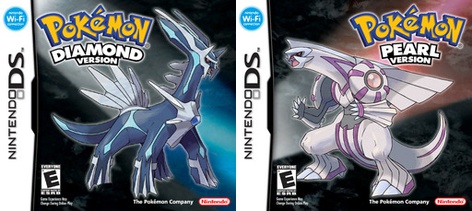
Image source: upload.wikimedia.org
Is Platinum Actually Easier or Harder Than Diamond and Pearl?
DP is often considered "harder" due to a massive level spike at the Elite Four. Cynthia's Garchomp sits at Level 66, which often requires hours of grinding because the wild Pokémon in the preceding areas are significantly lower leveled.
Platinum lowered the levels of the Elite Four (Cynthia's Garchomp is Level 62 here) to reduce the need for grinding. However, the AI is smarter, and the move sets are more competitive, making the battles feel more strategic rather than just a numbers game.
For those seeking a challenge beyond the main story, Platinum is the clear winner. It replaces the basic "Battle Park" with a full Battle Frontier . This facility includes five different arenas, each with its own unique ruleset, such as the Battle Factory where you must use rented Pokémon. This provides hundreds of hours of additional gameplay that simply does not exist in the original Diamond and Pearl .
Why the Nintendo Switch Remakes (BDSP) Might Disappoint Platinum Fans
In 2021, Nintendo released Brilliant Diamond and Shining Pearl (BDSP) for the Switch. While these games feature modern graphics and the "Grand Underground," they are faithful remakes of the original Diamond and Pearl , not Platinum . This means that many of the improvements found in Platinum are missing from the Switch versions.
Specifically, BDSP lacks the Distortion World as a playable map, the Battle Frontier, and the expanded Gym Leader rosters from Platinum . While the Grand Underground allows you to catch many of the Pokémon that were added in Platinum , the story and world structure remain rooted in the 2006 originals. For many fans, this makes the original DS version of Platinum a more complete experience than the modern remakes.
How to Spot a Fake Pokémon Platinum Cartridge in 2026
To ensure you are buying an authentic copy, use this checklist to verify the hardware:
- The Red Tint Test: Hold the cartridge up to a bright light. Authentic Platinum cartridges use the NTR-031 infrared shell, which should appear translucent with a deep reddish-purple tint. If the plastic is solid grey and opaque, it is a fake.
- The Board Code: Look at the green contact pins on the back. Just above the pins, you should see white lettering on the circuit board. Fakes often have "M8" or "DI" codes, whereas real copies typically have "NTR" or specific batch codes that match the label.
- The "Nintendo" Logo: On the back of the shell, the "Nintendo" logo should have a very specific font. The dot over the 'i' in Nintendo should be a square, not a circle. Fakes often get the font thickness wrong.
- Label Quality: The bottom-left corner of the label on an authentic copy is rounded to match the indent of the plastic. Fakes often have sharp, square corners on the label.
Final Verdict: Which Version Is Worth Your Time and Money?
Choosing the right version depends on your goals as a player and your budget. As of late 2026, the price gap between these titles remains significant due to the rarity of Platinum .
- You are on a budget (typically $40-$60 cheaper).
- You want to experience the "Void Glitch" to catch mythicals.
- You prefer the higher level curve for a "harder" grind.
- You specifically want Dialga or Palkia as your main legendary.
- You want the most polished technical performance.
- You value post-game content like the Battle Frontier.
- You want a better selection of Fire-type Pokémon.
- You want to catch both Dialga and Palkia in one game.
Frequently Asked Questions
Key Takeaways
- Platinum is the most complete version of the Sinnoh region, offering more Pokémon, faster gameplay, and a better story climax.
- Diamond and Pearl suffer from technical lag , specifically slow HP bars and surfing speeds, which were fixed in the later release.
- The "Fire-type drought" in the original games makes team building difficult unless you choose Chimchar as your starter.
- The Battle Frontier is a massive post-game addition in Platinum that provides significantly more longevity than the Battle Park in DP.
- Authenticity is a major concern ; always check for the translucent red tint on Platinum cartridges to avoid buying a counterfeit.
- The Switch remakes (BDSP) do not include the Platinum -specific content, making the original DS Platinum a unique experience.
If you have the budget, prioritize finding an authentic copy of Pokémon Platinum to experience the Sinnoh region at its absolute peak.