Home
What Made the 90s Arcade Era a Defining Period for Modern Gaming History
The 90s arcade era was a transformative decade that saw gaming evolve from 16-bit sprites to textured 3D polygons. Defined by social hubs in shopping malls, it was the birthplace of the modern fighting game genre with Street Fighter II and the 3D racing revolution led by Ridge Racer . Today, this era is remembered for its high-fidelity hardware that often surpassed home consoles, creating a unique "winner stays on" social hierarchy that remains a cornerstone of gaming culture.
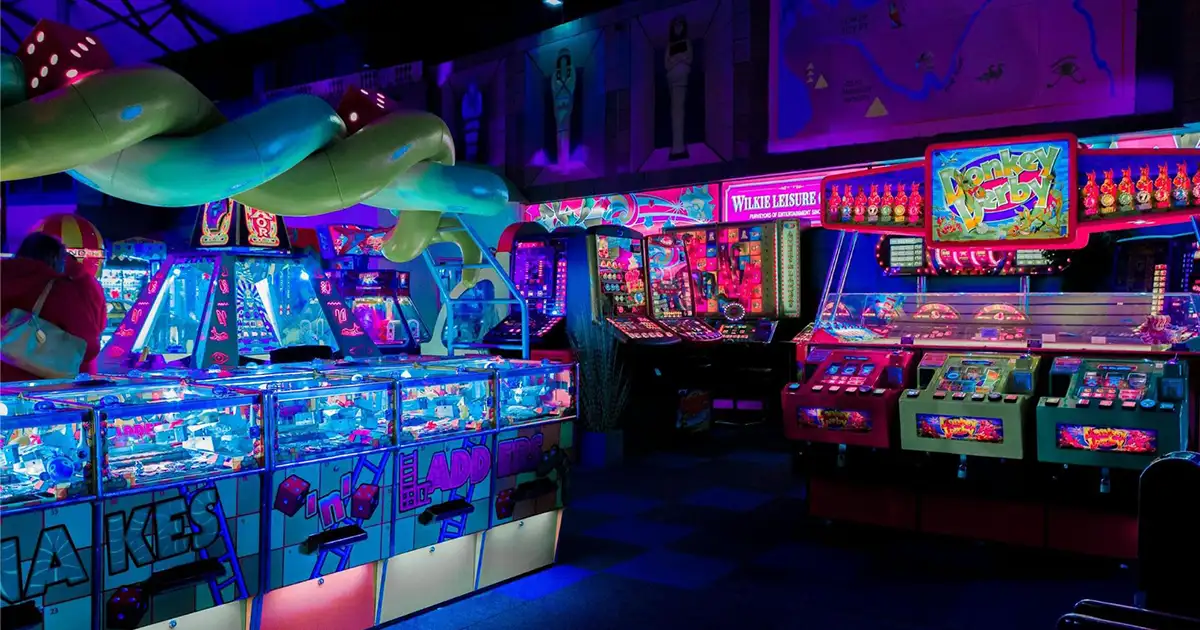
Image source: This Week in Worcester
The Renaissance of the 90s Arcade Experience
The early 1990s marked a significant shift in how interactive entertainment was consumed. Before the rise of the Sony PlayStation and Nintendo 64, the local arcade was the only place to experience cutting-edge visual technology. This period, often described as a renaissance for arcade gaming , moved away from the simple pixel art of the 80s toward complex, multi-layered sprites and eventually, full 3D environments.
Walking into a 90s arcade was a sensory overload. The air was filled with the cacophony of synthesized music, the clacking of joysticks, and the glow of CRT monitors. It served as the social epicenter for a generation. The "quarters on the glass" rule was a universal language; placing your coin on the monitor bezel meant you were next in line to challenge the current champion. This environment fostered a competitive community that home gaming, at the time, could not replicate.
Hardware innovation during this time was notably innovative. Manufacturers weren't just building boxes; they were creating immersive experiences. For instance, Namco’s StarBlade (1991) utilized a curved mirror system to create a sense of infinite depth for its space combat, a feat impossible on home televisions. Similarly, Lucky & Wild (1993) offered a hybrid experience where one player could drive using a steering wheel while both players used light guns to shoot out the windows, mimicking a high-octane buddy-cop movie. These unique configurations made the arcade a destination for experiences that were simply unavailable anywhere else.
Which Fighting Games Defined the Decade?
If one genre owned the 90s, it was the one-on-one fighter. The release of Street Fighter II: The World Warrior in 1991 changed the trajectory of the industry. It introduced a complex system of special moves and combos that required physical dexterity and deep tactical knowledge. According to historical rankings of 90s titles , Street Fighter II ranks among the top most influential games ever made, setting a high standard for every fighter that followed.
Shortly after, Midway’s Mortal Kombat (1992) arrived, sparking both massive popularity and intense controversy. By using digitized actors instead of hand-drawn sprites, it achieved a level of realism that was startling for the time. The inclusion of "Fatalities"—gory finishing moves—led to congressional hearings and the eventual creation of the ESRB rating system. Despite the outcry, or perhaps because of it, Mortal Kombat became a cultural phenomenon that rivaled the dominance of Capcom’s flagship franchise.
As the decade progressed, the 3D fighting revolution took hold. Sega’s Virtua Fighter and Namco’s Tekken series pushed the boundaries of what arcade hardware could achieve. By the time Tekken 3 arrived in 1997, the fluid animations and textured character models were so advanced that home consoles struggled to provide a perfect port. These games transitioned the genre from 2D planes to 3D spaces, allowing for sidestepping and more complex physics-based combat.
| Feature | Street Fighter II (1991) | Mortal Kombat II (1993) |
|---|---|---|
| Art Style | Hand-drawn 2D Sprites | Digitized Real Actors |
| Control Scheme | 6-Button (3 Punch, 3 Kick) | 5-Button (High/Low, Block) |
| Unique Mechanic | Complex Special Move Inputs | Fatalities & Stage Hazards |
| Social Impact | Established Competitive Scene | Led to Video Game Ratings |
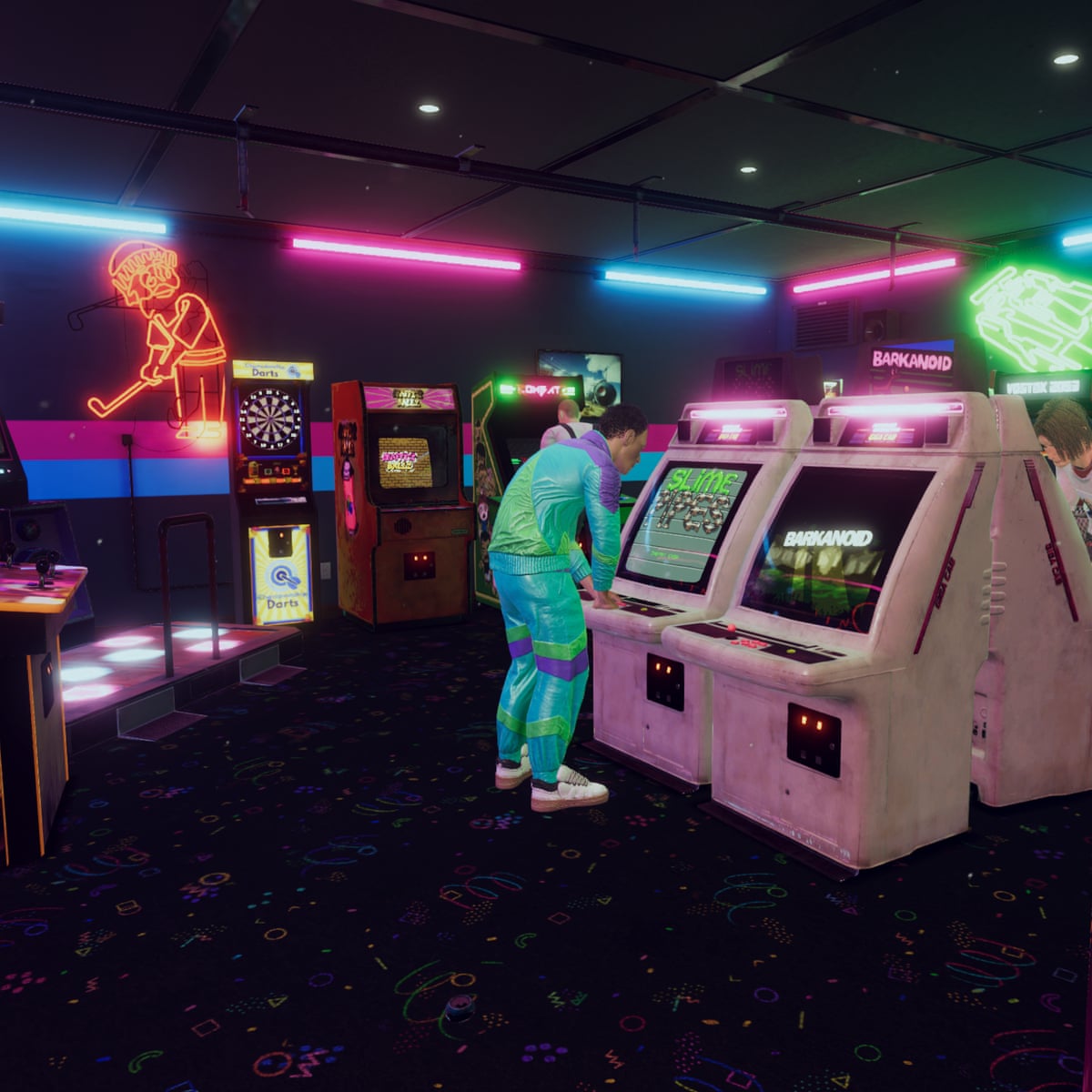
Image source: The Guardian
The Golden Age of 4-Player and 6-Player Beat 'em Ups
While fighting games were for one-on-one glory, beat 'em ups were the premier choice for groups of friends. Konami dominated this space with licensed properties that were massive hits in the early 90s. Teenage Mutant Ninja Turtles and The Simpsons Arcade Game allowed four players to cooperate simultaneously, creating a chaotic and social experience that was highly addictive. The X-Men cabinet took this even further, featuring a massive dual-monitor setup that supported six players at once.
Among enthusiasts, Capcom’s Alien vs. Predator (1994) is widely regarded as one of the most well-engineered beat 'em ups of the era. Unlike many "quarter-munchers" that relied on unfair difficulty to drain players' money, AvP featured a deep combat system with firearms, melee combos, and distinct character classes. It represents the pinnacle of 2D sprite-based brawlers before the industry pivoted toward 3D environments.
These games often featured bizarre themes and campy voice acting that became iconic. Captain America and the Avengers is a prime example, remembered as much for its enthusiastic (if slightly awkward) voice lines as its gameplay. The appeal of these titles lay in their accessibility; anyone could jump in, mash buttons, and feel like a hero alongside their friends. This cooperative spirit was a vital counterweight to the intense competition of the fighting game cabinets nearby.
How 3D Graphics Changed Everything in the Mid-90s
The mid-90s saw a technological arms race that fundamentally changed the gaming landscape. In 1993, the rivalry between Namco’s Ridge Racer and Sega’s Daytona USA signaled the end of the 2D era. Ridge Racer is often credited as the first arcade title to successfully implement textured 3D polygons, providing a level of visual fidelity that was a significant advancement over the flat-shaded polygons of earlier titles like Virtua Racing .
This transition wasn't just about visuals; it changed gameplay physics. Racing games could now simulate drifting and elevation changes with much greater accuracy. According to Arcade Heroes' historical analysis , this period saw the fastest rate of hardware iteration in the industry's history. Arcades were the proving ground for the technology that would eventually define the fifth and sixth generations of home consoles.
Sports games also benefited from this evolution. NBA Jam (1993) used digitized player graphics and a physics engine that allowed for gravity-defying dunks. Its "on fire" mechanic—where a player becomes nearly unstoppable after three consecutive baskets—became one of the most famous tropes in gaming history. By blending realistic player likenesses with exaggerated, high-speed action, NBA Jam captured the attention of both hardcore gamers and casual sports fans alike.
Secret Cheats and Tricks Only the Pros Knew
In an era before the internet was widely accessible, arcade secrets were the currency of the playground. These "cheats" were often hidden by developers as Easter eggs or as rewards for high-level players. Learning a secret code could turn a regular player into a local celebrity at the mall.
- The Akuma Unlock (Super Street Fighter II Turbo): On the character select screen, highlight Ryu for 3 seconds, then T. Hawk for 3 seconds, Guile for 3 seconds, Cammy for 3 seconds, and finally Ryu again. Press Start and all three punch buttons simultaneously. If done correctly, the hidden boss Akuma will appear.
- Area 51 "Kronn Hunter" Mode: To play as an alien, you must shoot only the first three S.T.A.A.R. team members (the humans) at the very beginning of the game without hitting any aliens or objects. This triggers a secret perspective for the rest of the mission.
- Crazy Taxi Hidden Bicycle: On the character selection screen, quickly press the Accelerate and Brake pedals while shifting the gear lever from Drive to Reverse. This allows you to ditch the taxi for a high-speed bicycle.
These secrets spread through word-of-mouth and gaming magazines like Electronic Gaming Monthly or GamePro . The mystery surrounding these codes added a layer of depth to the arcade experience, encouraging players to experiment with every button combination and hidden corner of the game world. Even today, many of these codes remain functional in modern ports and "Anniversary Collection" releases.
Hidden Gems You Probably Missed at the Mall
While everyone remembers the big hits, the 90s were also home to several niche titles that were exceptionally strong but didn't always get the spotlight they deserved. These "hidden gems" often featured experimental gameplay mechanics that were ahead of their time.
- The Outfoxies (Namco, 1994)
- A cinematic assassin-themed platform fighter that predated Super Smash Bros by years. It featured dynamic, zooming cameras and stages that changed as the match progressed, such as a sinking ship or a moving train.
- Ninja Baseball Bat Man (Irem, 1993)
- A bizarre but highly polished beat 'em up featuring robotic baseball players. Despite its strange theme, the animation quality and gameplay variety make it a cult classic among collectors today.
- Elevator Action Returns (Taito, 1994)
- A gritty, mature sequel to the 80s original. It replaced the cartoonish style with a detailed, industrial aesthetic and added tactical shooting mechanics that made it a premier choice for fans of action cinema.
Finding these games today often requires visiting specialized "barcades" or using emulation, but they offer a fascinating look at the creative risks developers were willing to take during the arcade's peak years. They serve as a reminder that the 90s era was defined by more than just a handful of blockbuster franchises.
The Frankenstein Hardware That Kept Arcades Alive
As the 90s drew to a close, arcade manufacturers faced a crisis: home consoles like the Sega Dreamcast were finally catching up to arcade power. To stay competitive while keeping costs low, many companies turned to "Frankenstein" hardware—systems built using off-the-shelf PC components rather than expensive custom chips.
One notable example was the use of 3dfx Voodoo graphics cards. These cards, which were legendary in the PC gaming world, actually powered arcade hits like San Francisco Rush and Mace: The Dark Age . By using PC-based architecture, developers could iterate faster and bring high-end 3D graphics to the arcade floor without the multi-million dollar R&D costs of previous generations.
Taito took this a step further with the Taitowolf System . This hardware utilized standard Socket 7 PC CPUs (like the Intel Pentium) to run arcade games. While this made the cabinets easier to maintain and upgrade, it also signaled the beginning of the end for the "bespoke" arcade era. The gap between what you could play at home and what you could play at the mall was closing, leading to the eventual decline of the traditional arcade business model in the West.
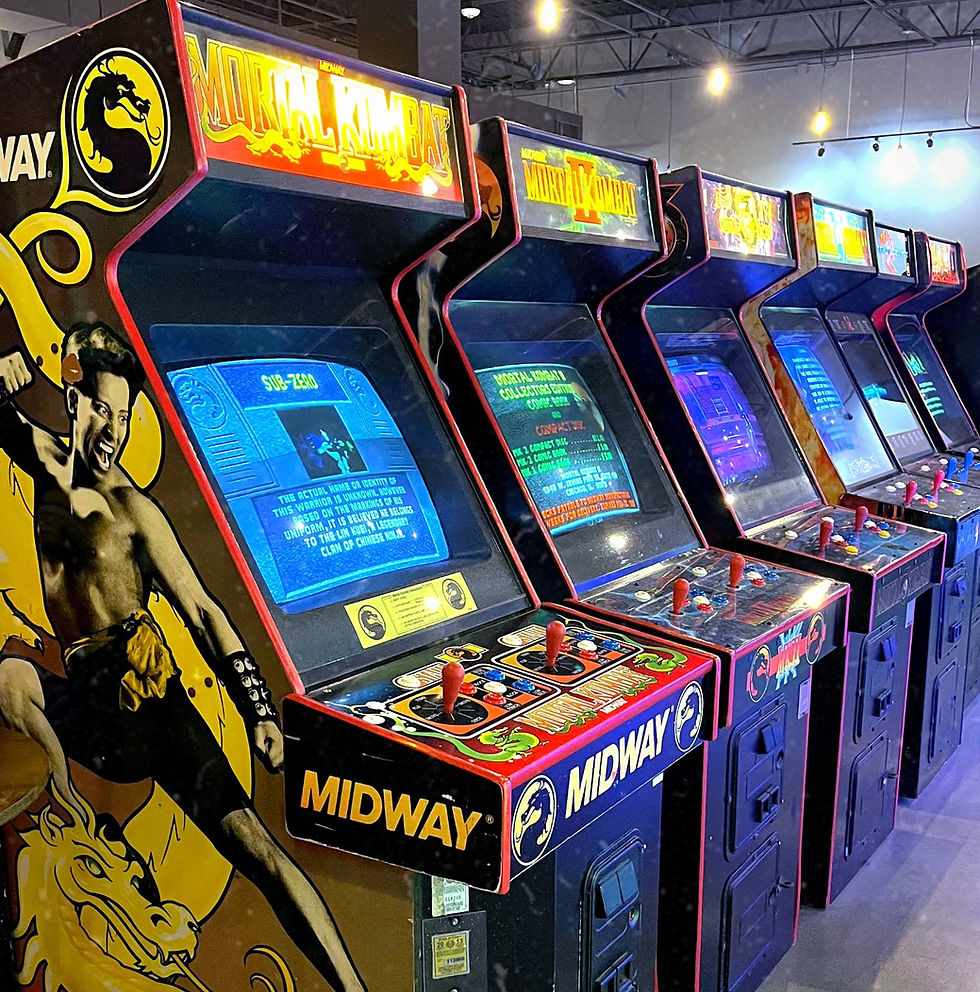
Image source: Arcade 92
How Can You Play 90s Arcade Games Today?
For those looking to relive the 90s, there are more options now than ever before. The debate between using original hardware and modern emulation is a common topic in the community. While purists prefer the "real feel" of a CRT monitor and original PCBs (Printed Circuit Boards), most enthusiasts find that modern solutions offer a more practical balance of cost and convenience.
- Legal Digital Collections: Platforms like Steam, PlayStation Store, and Xbox offer "Capcom Arcade Stadium" and "Sega Astro City Mini" collections that provide high-quality, legal ports of 90s classics.
- Arcade1Up Cabinets: These 3/4 scale replicas are a popular choice for home game rooms, offering a nostalgic look with modern LCD screens and built-in game lists.
- Emulation (MAME): The Multiple Arcade Machine Emulator (MAME) remains a top-tier tool for preserving arcade history, allowing users to play thousands of titles on a standard PC.
- Professional Replicas: Companies now produce full-size cocktail and upright machines that come pre-loaded with hundreds of games, often retailing for around $1,099 for high-quality builds.
For the truly dedicated, the "purist" route involves sourcing original Neo-Geo hardware and using "Darksoft Multi-carts." This allows you to run game data on original silicon, ensuring 100% accuracy in speed and sound. However, this path requires significant technical knowledge and a willingness to maintain aging electronics.
Keeping the Dream Alive with Cabinet Maintenance
Owning a piece of 90s history comes with the responsibility of maintenance. Arcade machines from this era are now over 30 years old, and their components are reaching the end of their natural lifespan. The most critical—and dangerous—part of any 90s cabinet is the CRT (Cathode Ray Tube) monitor.
"Maintaining a 90s arcade machine is as much about preserving history as it is about playing games. A well-kept CRT is a window into a specific moment in technological time."
One of the most common maintenance tasks is the "Cap Kit." Over time, the electrolytic capacitors on a monitor's chassis or a game's power supply will leak or dry out, leading to screen flicker, color bleeding, or total failure. Replacing these capacitors is a standard procedure for collectors. Additionally, many Capcom boards from the 90s (CPS2 system) contain a "suicide battery" that, if it dies, wipes the encryption keys and renders the game unplayable. Enthusiasts often "infinikey" these boards to ensure they remain functional for decades to come.
For those looking for restoration resources, the Arcade-Projects forums are a premier destination for technical advice and high-quality artwork scans. Whether you need to discharge a monitor safely or find the exact Pantone color for a Mortal Kombat II side-art restoration, the community wisdom found in these spaces is invaluable for keeping the 90s dream alive.
Frequently Asked Questions
What was the most popular arcade game in the 90s?
While popularity can be measured in different ways, Street Fighter II and NBA Jam are widely considered the highest-earning and most recognizable titles of the decade. Street Fighter II essentially revitalized the entire arcade industry in 1991, while NBA Jam became a massive crossover hit that appealed to both gamers and sports fans, generating over $1 billion in quarters within its first year of release.
How much did a 90s arcade game cost to play?
At the start of the decade, the standard price was $0.25 (one quarter) per play. However, as hardware became more advanced and expensive, prices began to rise. By the mid-90s, deluxe 3D games like Daytona USA or Jurassic Park often cost $0.50 to $1.00 per play. Some high-end motion simulators or large-scale shooters even pushed the price to $2.00 in high-traffic areas like Las Vegas or major city centers.
What is the rarest 90s arcade cabinet?
Rarity is often tied to low production numbers or regional releases. Ninja Baseball Bat Man is a famous example; despite being a high-quality game, it had a very limited release in North America, making original cabinets highly sought after by collectors. Other rare finds include the 6-player X-Men cabinet (due to its massive size and dual-monitor requirement) and specialized Japanese imports that never saw a wide Western release.
Can I play 90s arcade games on my PC?
Yes, there are several legal ways to play these games on a PC. Digital storefronts like Steam host numerous "Anniversary Collections" from publishers like Capcom, Konami, and SNK. For titles that haven't been officially re-released, the MAME (Multiple Arcade Machine Emulator) is the standard tool used by historians and enthusiasts to run original game files, though users must ensure they are complying with copyright laws regarding game ROMs.
What happened to all the 90s arcades?
The decline of the traditional arcade was caused by a "perfect storm" of factors. Home consoles like the PlayStation 2 and Xbox eventually surpassed arcade hardware in power, removing the primary incentive to visit a mall. Additionally, the rise of online gaming provided the social connection that arcades once monopolized. Today, the industry has pivoted toward "Barcades" and family entertainment centers (like Dave & Buster's) that focus on the social experience and prize-based redemption games.
Final Thoughts on the Arcade Legacy
The 90s arcade era was a unique intersection of social culture and rapid technological growth that defined the childhoods of millions. Its influence can still be felt in every modern fighting game and 3D racer.
- Technological Leap: The era saw the successful transition from 16-bit sprites to textured 3D polygons.
- Genre Birth: Modern fighting games and cooperative beat 'em ups reached their creative peak during this decade.
- Social Hubs: Arcades served as essential social epicenters before the advent of high-speed home internet.
- Hardware Innovation: Unique cabinets like StarBlade and Lucky & Wild offered experiences that home consoles couldn't match.
- Hidden Secrets: Word-of-mouth cheats like the Akuma code added a layer of community mystery to the gameplay.
- Modern Preservation: Through emulation and home cabinets, these games remain accessible to new generations of players.
If you want to experience this era for yourself, start by exploring the Capcom Arcade Stadium or seeking out a local retro arcade to feel the tactile response of a real Sanwa joystick.