Home
How to Upgrade and Design Your Stardew Valley Farmhouse for Maximum Efficiency
Upgrading your stardew valley farm house involves three main structural tiers purchased from Robin at the Carpenter's Shop. The first upgrade costs 10,000g and 450 Wood, unlocking the kitchen and marriage potential. The second costs 65,000g and 100 Hardwood, adding a nursery and painting options. The final upgrade costs 100,000g for the Cellar. As of the 1.6 update, players can also add an Attic (60,000g) and a Dining Room (150,000g) instantly via the Renovations menu.
In the world of Stardew Valley , your farmhouse is more than just a place to sleep; it is the central hub of your agricultural empire. Whether you are a casual player focusing on aesthetics or a power-user aiming for frame-perfect efficiency, understanding the nuances of farmhouse upgrades and interior design is vital. With the significant additions introduced in the 1.6 update, the possibilities for customization have expanded, offering new rooms and functional spaces that were previously unavailable in the base game.
This guide explores the technical requirements for every upgrade, the strategic placement of furniture for time management, and creative "vanilla" design hacks that allow you to create a high-end home without relying on external mods. By following these strategies, you can transform a humble starter shack into a sprawling estate that ranks among the top layouts in the community.
What Does the Farmhouse Look Like When You Start?
When you first arrive in Pelican Town, your farmhouse is a modest 10x7 interior space with a 9x5 exterior footprint. According to the Stardew Valley Wiki , this initial state is designed to provide the bare essentials: a single bed, a fireplace, a small TV, and a few pieces of decorative furniture. The specific aesthetic of your starting furniture depends on the farm map you choose at the beginning of the game.
For example, the Standard Farm provides a classic rustic look, while the Forest Farm offers more wood-toned decor. The Meadowlands Farm , introduced in recent updates, features a slightly different starter layout to accommodate its focus on animal husbandry. Regardless of the map, the interior space remains identical in size, limiting your early-game activities to sleeping and checking the weather or luck on your TV.
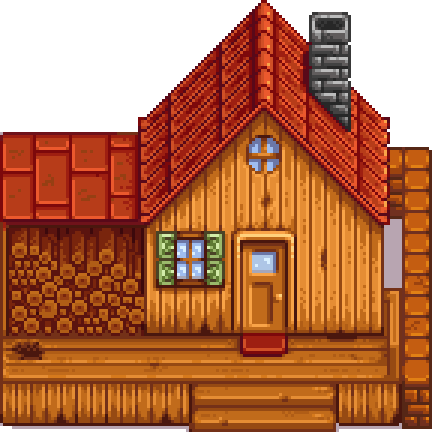
Image source: Stardew Valley Wiki
During this phase, your primary goal is to gather enough resources to break out of these cramped quarters. While the starter house is functional, it lacks a kitchen, which prevents you from cooking meals that provide essential stamina and health buffs. Furthermore, you cannot get married or invite a roommate until you have upgraded the house at least once to accommodate a double bed.
How Much Does Every Farmhouse Upgrade Cost?
Progressing through the farmhouse tiers requires a combination of Gold and raw materials. Robin, the local carpenter, handles all structural renovations, and each major upgrade takes exactly three days to complete. It is important to plan these upgrades around the seasons, as Robin will be unavailable for other construction projects while she is working on your home.
Farmhouse Upgrade Requirements and Unlocks
| Upgrade Level | Gold Cost | Materials | Key Features Unlocked |
|---|---|---|---|
| Starter | 0g | None | 1 Room, TV, Single Bed |
| Upgrade 1 | 10,000g | 450 Wood | Kitchen, Double Bed, Marriage Potential |
| Upgrade 2 | 65,000g | 100 Hardwood | Nursery, Renovations Menu, Exterior Painting |
| Upgrade 3 | 100,000g | None | Cellar, Cask Aging for Wine/Cheese |
The first upgrade is widely considered a top priority for early-game progression. The addition of the kitchen allows you to process crops and foraged items into high-energy food, which is a significant advancement for players spending long days in the Mines. The second upgrade is more focused on family life and customization, adding two new rooms and unlocking the ability to remove the crib or add room partitions via Robin’s "Renovations" menu.
The final structural upgrade, the Cellar, is a premier choice for profit-oriented players. Unlike other rooms, the Cellar is the only place where Casks can be used to age products like Starfruit Wine or Goat Cheese to Iridium quality, significantly increasing their market value. While the 100,000g price tag is steep, the long-term return on investment makes it a highly recommended milestone for any serious farmer.
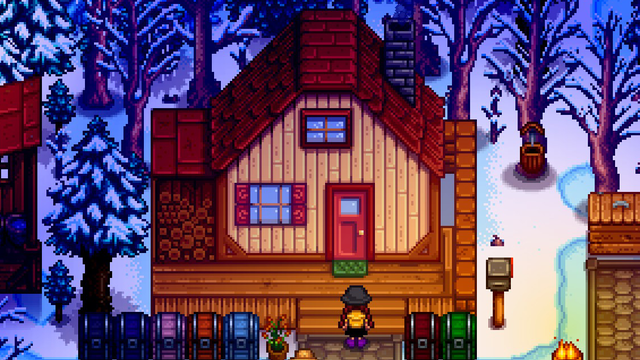
Image source: IGN
How to Use the New 1.6 Farmhouse Renovations
The 1.6 update brought a wealth of new content for home decorators, specifically through the expansion of the Renovations menu. Unlike structural upgrades, these renovations are instant and do not require Robin to spend days on-site. Once you have completed the second farmhouse upgrade, you can visit Robin’s shop to toggle these new spaces on or off.
One of the most notable additions is the Attic . For a cost of 60,000g, you can add a large room at the top of your house. This space is exceptionally strong for players who need extra storage for chests or want to create a dedicated trophy room for their achievements. Because it is tucked away at the top, it doesn't interfere with the flow of your main living areas.
For those who enjoy hosting or high-end interior design, the Dining Room expansion is a top-tier option. At 150,000g, it is the most expensive renovation, but it provides a massive side-room that can be used to create a formal eating area or a secondary library. Additionally, the Cubby (10,000g) offers a small alcove that is a popular choice for creating a reading nook or a specialized storage corner for tools.
Where Should You Place Your Bed for Maximum Efficiency?
In Stardew Valley , time is your most valuable resource. A common pitfall for new players is leaving the bed in its default location in the back of the house. As your farm grows, you will often find yourself rushing back to the house at 1:50 AM to avoid the 2:00 AM pass-out penalty. Strategic bed placement can save you precious in-game minutes every single day.
Seasoned players often utilize the "Golden Path" strategy. This involves moving your bed as close to the front door as possible. By placing the bed just one or two tiles away from the entrance, you minimize the travel time required to save your game at the end of the night. This layout is widely regarded as one of the best ways to optimize your daily routine, especially during heavy harvest days or deep dives into the Skull Cavern.
Beyond just the bed, you should consider building a "Morning Routine Hub" near your sleeping quarters. This cluster typically includes:
- The Coffee Machine: Placed next to the bed to grab a speed buff immediately upon waking.
- A Daily Chest: Containing your essential tools, seeds for the day, and food for mining.
- The Mini-Shipping Bin: Allowing you to dump items for sale without walking outside to the main bin.
- The Telephone: To check shop hours or stock without leaving the house.
According to discussions on the Stardew Valley Reddit , these small adjustments can save up to 30-40 in-game minutes daily, which adds up to several hours over the course of a season. Efficiency-focused layouts may not always be the most aesthetically pleasing, but they set a high standard for productivity.
How to Design a High-End House Without Using Mods
While many players turn to mods like "Aimon’s Fancy Farmhouse" for aesthetic upgrades, it is entirely possible to create a stunning interior using only "vanilla" assets. The key to successful interior design in Stardew Valley is the creative use of items that were not necessarily intended for decoration. By thinking outside the box, you can achieve a look that few competitors match.
One popular "Vanilla Hack" involves the Dwarf Gadget . When placed on a table in front of a Flat Screen TV, the Dwarf Gadget resembles a realistic computer tower or monitor, allowing you to create a modern home office. Another technique is Butterfly Hutch Stacking . By purchasing multiple hutches from the Desert Trader, you can fill your home with a high density of butterflies, creating a magical, nature-themed atmosphere that feels alive.
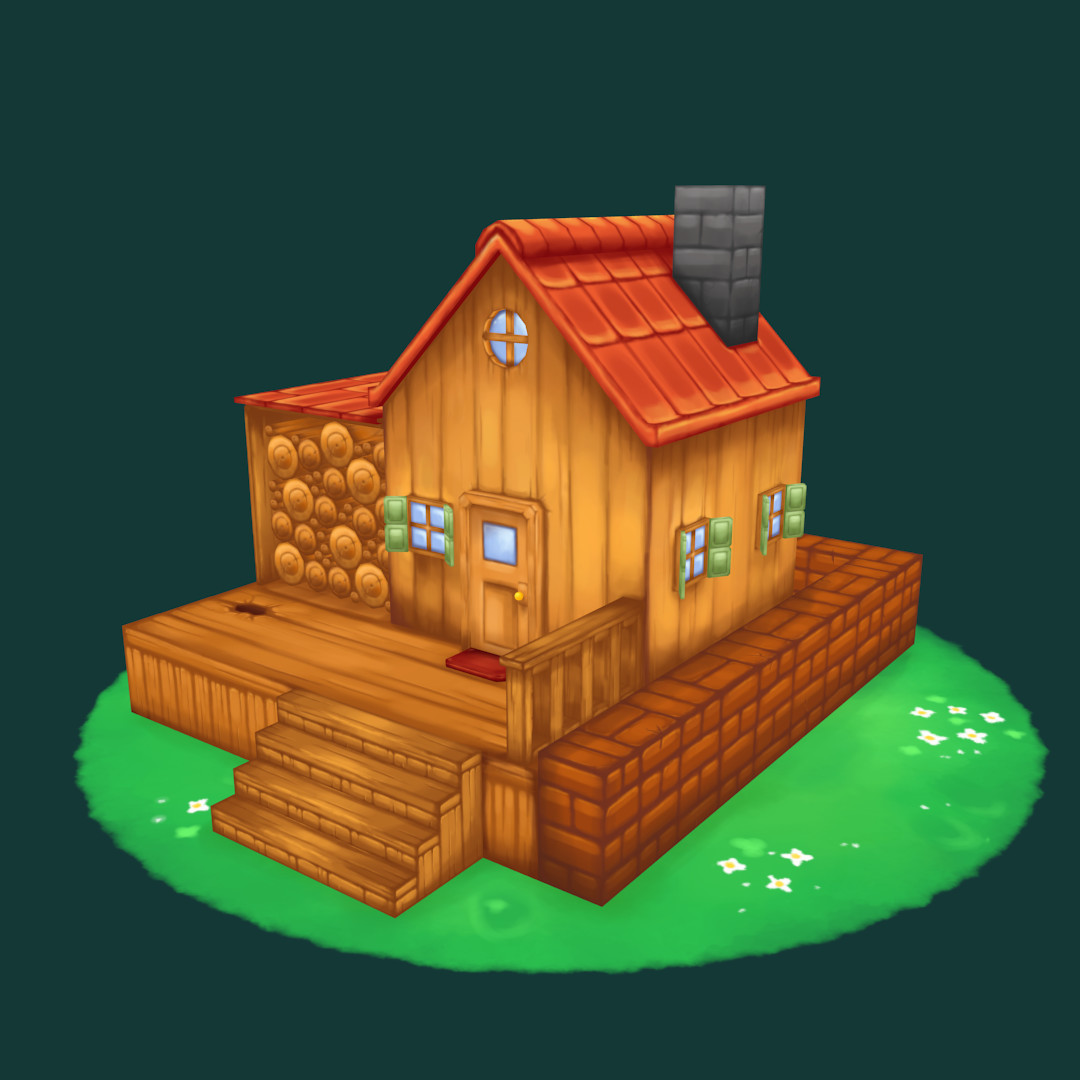
Image source: ArtStation
To truly master interior design, you must acquire the Furniture Catalog from Pierre’s Shop (30,000g) and the Wallpaper & Flooring Catalog from Robin’s (20,000g). These items provide unlimited access to almost every decorative item in the game for free once the initial purchase is made. This allows you to color-coordinate your rooms with precision. For example, you can match your indoor rugs to the color of your outdoor Fish Ponds (using Lava Eels for red or Super Cucumbers for purple) to create a cohesive theme across your entire farm property.
What Happens to the House When You Get Married?
Marriage is a significant milestone that alters the physical layout of your farmhouse. When you marry an NPC or invite Krobus to be your roommate, a unique 2x12 room is automatically added to the right side of your bedroom. This "Spouse Room" is decorated to reflect the personality and hobbies of your partner, and it cannot be moved or redecorated by the player.
The aesthetics of these rooms vary wildly:
- Sebastian's Room
- A dark, moody space featuring a computer desk and a tabletop gaming setup, perfect for his introverted personality.
- Emily's Room
- A vibrant, colorful area filled with crystals, a sewing machine, and a parrot, reflecting her spiritual and creative nature.
- Shane's Room
- Often a point of contention among players, Shane’s room is somewhat cluttered, featuring a game console and his favorite chicken, Charlie.
- Krobus's Room
- If you choose the roommate path, Krobus adds a dark, sewer-themed room with unique flooring that matches his home in the sewers.
Understanding these rooms is important for your overall design plan. Since the spouse room is always on the right, many players choose to place their own "hobby rooms" or workshops on the left side of the house to maintain visual balance. The spouse room also serves as a functional space where your partner will spend time, often giving you gifts or offering helpful dialogue throughout the day.
How to Maximize Profits in the Farmhouse Cellar
The Cellar is arguably the most important room for players focused on late-game wealth. It is the only location where Casks function. Casks allow you to age wine and cheese, increasing their quality from basic to Silver, Gold, and finally Iridium. An Iridium-quality Starfruit Wine sells for double its base price, making this a highly impactful mechanic for maximizing ROI.
There is a constant debate in the community regarding the "Optimal Layout" versus "Max Capacity." A fully packed cellar can hold 189 casks. However, this layout requires you to fill every single tile, meaning you cannot walk through the room. To harvest the wine, you must physically break the casks with a hoe or pickaxe to reach the ones in the center. While this is the most profitable method, it is time-consuming.
Alternatively, a "Walkable Layout" typically holds around 125 casks. This design leaves paths open so you can easily reach every cask without moving anything. For many players, the convenience of a walkable layout makes it a top choice, as it reduces the labor required every two in-game months when the wine finishes aging. Regardless of your choice, focusing on high-value items like Ancient Fruit Wine or Starfruit Wine is a significant step forward in your financial progression.
How to Prepare for a Renovation Without Losing Items
One of the most common technical issues players face is the "Chest Obstruction" problem. When you ask Robin to perform a renovation—such as adding a room or removing a wall—she cannot proceed if there is a chest or a piece of furniture in the way of the new construction. If an item is blocking the path, the game will prevent the renovation from starting, which can be frustrating if you have already planned your day around it.
To avoid this, you should enter a "Remodel Prep Phase" before visiting Robin. This involves:
- Emptying all chests in the area where the new room will be added.
- Moving furniture , including rugs and floor lamps, away from the walls that will be altered.
- Checking the Fridge: If you are renovating the kitchen area, ensure your fridge is accessible, as items inside can sometimes become difficult to reach during the transition.
Additionally, players using mods should be cautious. According to reports on the Stardew Valley Modding Forums , certain popular farmhouse mods like "Aimon’s Fancy Farmhouse" have experienced stability issues with the 1.6 cellar upgrade. If you are playing a modded game, always back up your save file before committing to a major structural change to ensure your progress remains safe.
Can You Move the Farmhouse to a New Location?
For many years, the farmhouse was a fixed structure, but modern updates have granted players the ability to relocate their home. This is a highly impactful feature for those who want to redesign their entire farm layout in the mid-to-late game. There are two primary ways to move your farmhouse:
The most common method is visiting Robin at the Carpenter’s Shop . Under the "Construct Farm Buildings" menu, there is an icon for moving buildings. Selecting this allows you to pick up your farmhouse and place it anywhere on your farm map, provided the new location is clear of debris, trees, and other buildings. This service is free and happens instantly.
The second method involves the Wizard’s Tower . Once you have completed the "Goblin Problem" quest and unlocked the Wizard’s magic buildings, you can use the pedestal in his tower to move buildings. This is a premier alternative because the Wizard’s Tower is often open later than Robin’s shop, and he does not take days off for festivals or personal errands. Moving your house to a central location can save significant travel time, especially on larger maps like the Wilderness or Four Corners farm.
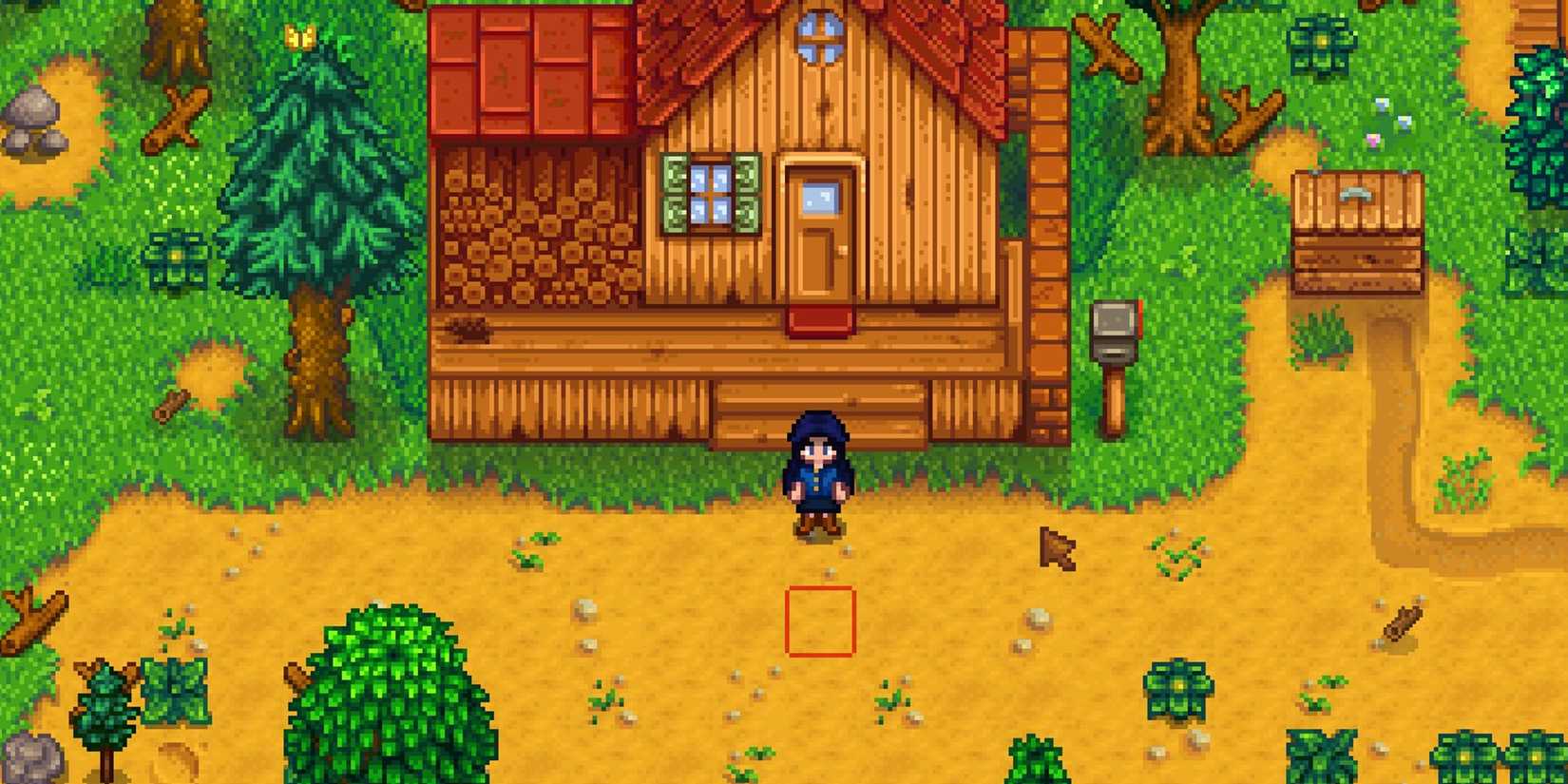
Image source: TheGamer
Frequently Asked Questions
How long do farmhouse upgrades take to complete?
Structural upgrades performed by Robin, such as adding the Kitchen, Nursery, or Cellar, take exactly three days to complete. During this time, Robin will be seen working inside your house, and you cannot commission other buildings from her. However, the new 1.6 renovations (like the Attic or Dining Room) are applied instantly and do not require a waiting period.
Can you remove the crib in Stardew Valley?
Yes, you can remove the crib once you have upgraded your house to include the nursery (Upgrade 2). To do this, visit Robin at the Carpenter's Shop and select the "Renovations" menu. From there, you can toggle the crib on or off. This is a popular choice for players who do not plan on having children and want to use the nursery space for other purposes, such as a workshop or trophy room.
Do you lose your furniture when you upgrade the house?
No, you will not lose your furniture. When an upgrade is completed, the game automatically shifts your existing furniture to accommodate the new room layout. In some cases, items might end up in slightly different positions or in a new room, but they will never disappear. It is still a good practice to move valuable items away from walls that are being expanded to avoid any minor placement glitches.
How do you paint the outside of the farmhouse?
Exterior painting is unlocked after you complete the second farmhouse upgrade (the one that adds the nursery). Once unlocked, you can visit Robin and select the "Paint Buildings" option from her menu. You can customize the colors of the roof, walls, and trim. This feature is free and allows you to match your house to the overall aesthetic of your farm sheds and barns.
What is the most profitable item to age in the cellar?
By most accounts, Starfruit Wine is the top choice for the cellar. While Ancient Fruit Wine is also highly profitable and easier to mass-produce (since the plants don't need to be replanted), a single bottle of Iridium-quality Starfruit Wine with the Artisan profession sells for 6,300g. Aging Starfruit Wine takes two full seasons, but the massive price jump makes it a premier strategy for late-game wealth accumulation.
Key Takeaways for Farmhouse Optimization
- Prioritize the first upgrade early to unlock the kitchen and marriage potential.
- Move your bed near the front door to save valuable in-game time and avoid passing out.
- Utilize 1.6 renovations like the Attic for instant, extra storage space without the three-day wait.
- Clear all obstructions before visiting Robin to ensure your renovations aren't blocked by chests.
- Invest in the Furniture Catalog to unlock unlimited "vanilla" design options for a high-end look.
- Maximize cellar profits by aging Starfruit or Ancient Fruit wine to Iridium quality.
- Relocate your house via the Wizard's Tower for better farm accessibility and pathing.
Start by moving your bed to the entrance today to see how much extra time you gain for your daily farm chores.