Home
Why Plant Pokémon Are Officially Called Grass Types and How They Work
While many fans colloquially refer to them as "Plant Pokémon," the official franchise terminology identifies them as Grass-types . This category represents approximately 13% of the entire Pokédex , making it the third most common type in the series. Grass-types are defined by their botanical designs, unique immunities to powder-based moves, and their role in the fundamental "Starter Triangle" alongside Fire and Water types.
For decades, players have scoured the tall grass of the Pokémon world in search of creatures that resemble the flora of our own planet. Whether you call them plant Pokémon or Grass-types, these species form the backbone of the game's ecosystem. From the very first choice a player makes in the Kanto region to the complex competitive battles of the modern era, understanding how these botanical wonders function is essential for any aspiring trainer.
The term "Plant" is actually the official translation in certain regions. For instance, in the Turkish localization of the games, the category is known as Bitki türü , which literally translates to "Plant type." This linguistic crossover is one reason why the search for "plant pokemon" remains so prevalent among the global community. Regardless of the name, these Pokémon share a deep connection to nature, often utilizing sunlight, spores, and vines to overcome their opponents.
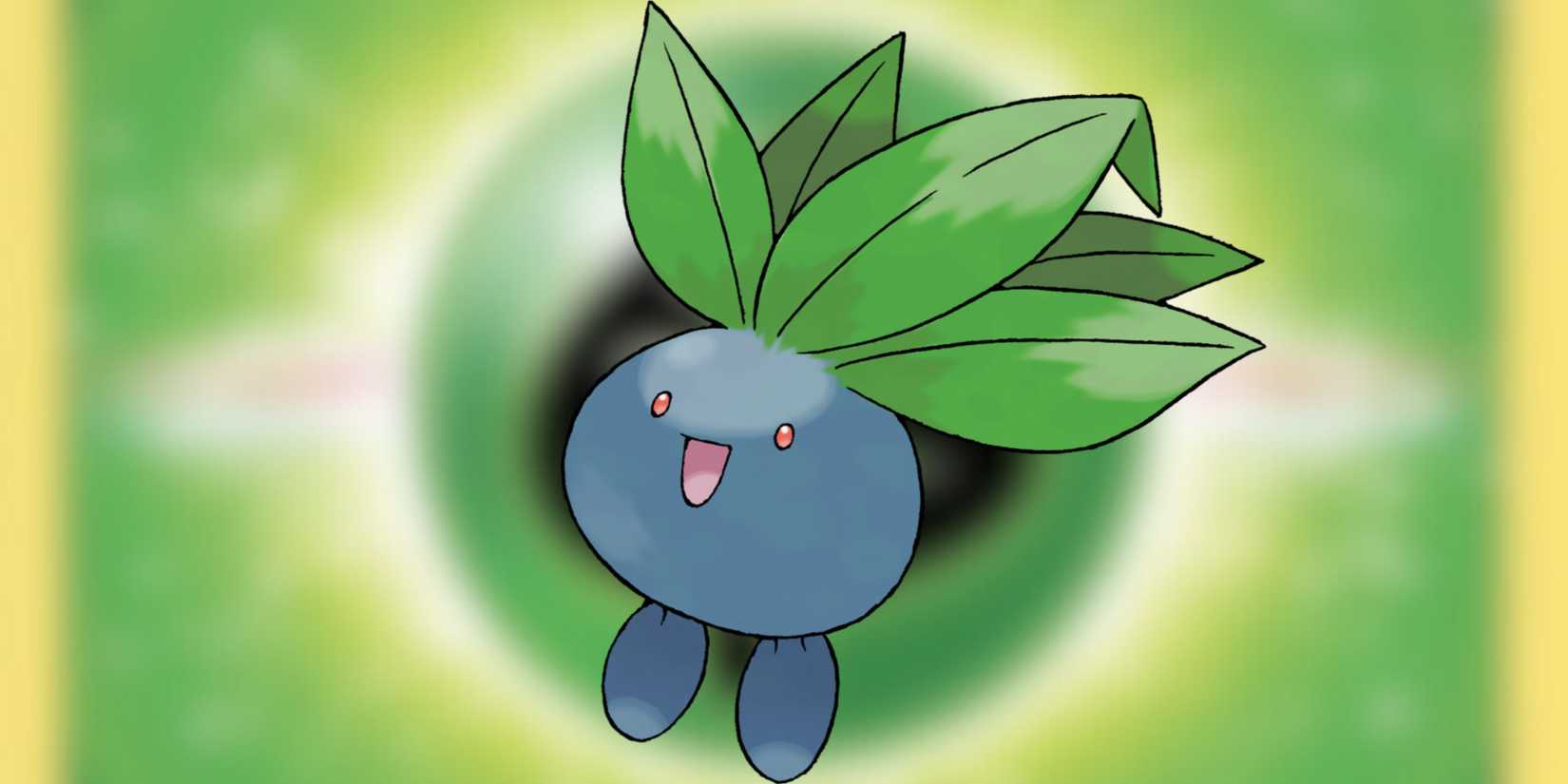
Image source: GameRant
What Is the Difference Between Plant and Grass Type Pokémon?
Mechanically speaking, there is no difference between a "Plant Pokémon" and a "Grass-type Pokémon." They are one and the same. However, the distinction is important for players who want to understand the game's internal logic. The "Grass" label is a broad umbrella that covers everything from sentient flowers and towering trees to fungi and even prehistoric ferns.
One of the most interesting aspects of this category is the existence of "Pseudo-Plant" Pokémon. These are species that visually resemble plants but do not actually carry the Grass typing. A prime example is the Flabébé line . While these Pokémon are seen holding flowers and are deeply associated with gardens, they are pure Fairy-types. Similarly, Comfey from the Alola region looks like a living lei of flowers but lacks the Grass type entirely. This can lead to strategic blunders if a trainer assumes a botanical appearance always dictates a Grass-type's weaknesses.
According to data from Bulbapedia , the Grass type has undergone significant changes over the generations. In the early days, almost every Grass-type was paired with the Poison type (like Bulbasaur or Oddish). As the series progressed, the designs became more diverse, introducing pure Grass-types and unique combinations like Grass/Steel or Grass/Ghost. This evolution has allowed "plant" designs to occupy various niches, from bulky defenders to lightning-fast attackers.
How to Identify Plant Pokémon by Their Real World Botanical Origins
The designers at Game Freak often look to real-world botany to create memorable creatures. Categorizing these Pokémon by their plant families provides a deeper appreciation for their design philosophy. This botanical approach helps players identify species not just by their type, but by their ecological role.
- Succulents and Cacti
- Pokémon like Cacnea and Maractus are based on desert flora. They often possess abilities like Water Absorb , reflecting a cactus's ability to store moisture in arid environments.
- Trees and Ancient Flora
- Exeggutor draws inspiration from palm trees, while the fossil Pokémon Cradily is based on sea lilies (crinoids), which are actually animals but were long mistaken for plants. This highlights the "ancient" feel of certain Grass designs.
- Fungi and Spores
- While fungi are biologically distinct from plants, Pokémon like Parasect , Amoonguss , and Shiinotic are classified as Grass-types. They focus on status-altering moves like Spore and Stun Spore , mimicking the reproductive methods of real mushrooms.
Botanist Matthew Gaston has noted that approximately 13% of the National Pokédex is comprised of Grass-types, making them a foundational element of the series' biodiversity. By looking at a Pokémon's real-world counterpart, players can often predict its move pool. For example, a Pokémon based on a flower is highly likely to learn Petal Dance , while a tree-based design will almost certainly have access to Wood Hammer .
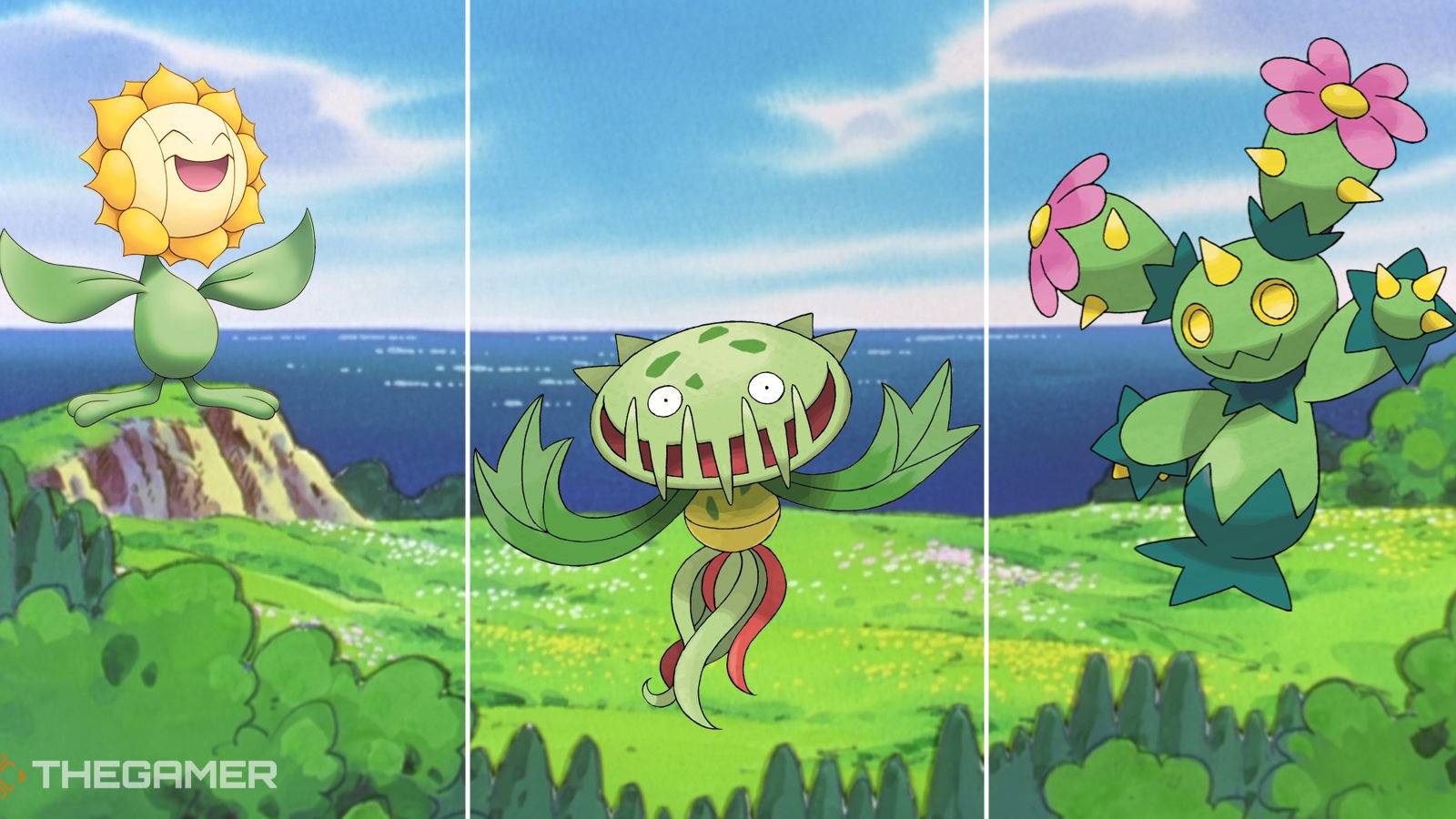
Image source: TheGamer
Carnivorous Plants and the Famous Big Mouth Designs
A frequent query among fans is the identification of "plant Pokémon with big mouths." These designs are almost exclusively based on carnivorous plants that use "pitfall" or "snap" traps to catch prey. The most iconic example is Victreebel , the final evolution of Bellsprout. Its design is a direct reference to the Pitcher Plant (Nepenthes), featuring a large, gaping maw and a vine that acts as a lure.
Another prominent "big mouth" design is Carnivine , which is modeled after the Venus Flytrap. Its oversized jaws and tooth-like protrusions make it one of the most visually distinct Grass-types in the Sinnoh region. These designs serve a specific gameplay purpose: they often have high Attack stats but low defensive capabilities, mirroring the "trap and strike" nature of their real-world inspirations. Even Gloom , while not strictly carnivorous, features a large mouth that constantly drools nectar, a design choice meant to evoke the pungent smell of the Rafflesia flower.
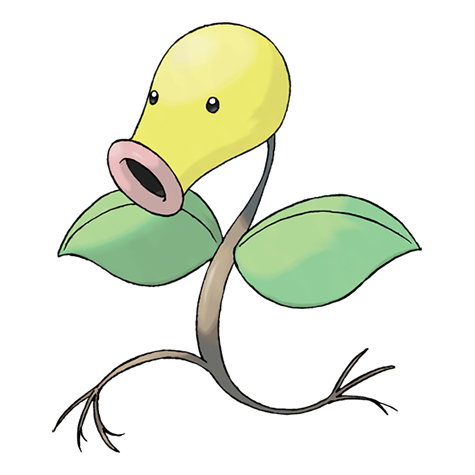
Image source: Pokemon.com
Why Is the Grass Type Considered Statistically Weak?
In the competitive community, the Grass type is often the subject of intense debate. Statistically, it is frequently cited as one of the most challenged types in the game. This reputation stems from a lopsided relationship between its weaknesses and its offensive capabilities. According to PokémonDB , Grass-types have five defensive weaknesses: Bug, Fire, Flying, Ice, and Poison.
Offensively, the situation is equally difficult. Grass-type attacks are resisted by seven different types, including Steel, Fire, and Dragon. This makes it very hard for a pure Grass-type to deal significant damage without a secondary typing to provide coverage. Furthermore, Grass-types rank among the lowest in average Speed and HP across the entire Pokédex. This "glass cannon" or "slow staller" archetype requires a high level of tactical skill to pilot effectively.
| Category | Count | Types Involved |
|---|---|---|
| Weaknesses | 5 | Fire, Ice, Poison, Flying, Bug |
| Resistances | 4 | Water, Electric, Grass, Ground |
| Resisted By | 7 | Fire, Grass, Poison, Flying, Bug, Dragon, Steel |
| Super Effective Vs | 3 | Water, Ground, Rock |
Despite these hurdles, Grass-types are far from useless. They excel in a niche known as "Utility and Status." Because they are the only type capable of using moves like Leech Seed and are often the primary users of Sleep Powder and Spore , they can control the pace of a battle in ways that Fire or Water types cannot. They are the "Tactician's Type," rewarding players who prioritize strategy over raw power.
How Immunities to Spore and Powder Moves Save Your Team
A significant advancement for the Grass type occurred in Generation VI. Game Freak introduced a mechanic where all Grass-type Pokémon became naturally immune to "powder" and "spore" moves. This includes dangerous status effects like Sleep Powder , Stun Spore , Poison Powder , and the highly accurate Spore . They are also immune to the Effect Spore ability, which can randomly inflict status on contact.
This buff transformed Grass-types into "Status Absorbers." In a competitive environment where a single turn of sleep can lose a match, having a Grass-type to switch into an expected Sleep Powder is a top-tier strategy. This immunity is one of the primary reasons why Pokémon like Amoonguss remain staples in the Video Game Championships (VGC) year after year. They can safely enter the field, ignore the opponent's status moves, and then retaliate with their own utility options.
Which Plant Pokémon Stand Out as Top Choices for Your Team?
Choosing the right plant Pokémon depends heavily on your playstyle. While some players prefer raw offensive power, others look for "bulky" supporters that can outlast the opposition. Based on competitive data and historical performance, several species consistently rank among the top options for any roster.
- Kartana: An exceptionally strong attacker with a massive Attack stat. Its Grass/Steel typing mitigates many of the traditional Grass weaknesses.
- Amoonguss: Widely regarded as one of the best support Pokémon due to its access to Rage Powder and 100% accurate Spore .
- Venusaur: Especially in its Mega or Gigantamax forms, it offers a perfect balance of bulk and damage, particularly under the sun.
- Celebi: A mythical choice that provides excellent utility with moves like Recover and U-turn .
- Rillaboom: A modern powerhouse that dominates the field with its Grassy Surge ability, which sets up Grassy Terrain automatically.
For casual players, the "best" choice is often the one that makes the early game easiest. Bulbasaur is famously considered a top-tier pick for the original Kanto games because it has a type advantage against the first two Gym Leaders (Brock and Misty). In more recent generations, Rowlet has become a fan favorite for its unique Grass/Ghost final evolution, Decidueye, which offers a distinct tactical advantage over standard Grass-types.
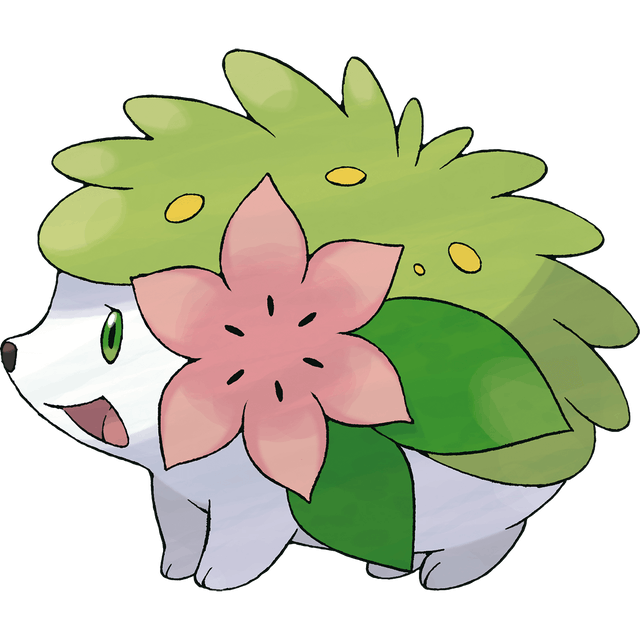
Image source: YumeTwins
Top Starter Choices from Every Generation
The Grass-type starter is a tradition that dates back to the very beginning of the franchise. Every generation offers a new botanical partner, and each brings a different flavor to the "Starter Triangle." While Fire types are often fast and Water types are versatile, Grass starters usually focus on longevity and status conditions.
In Generation III, Sceptile broke the mold by being an incredibly fast Grass-type, a rarity for the category. In contrast, Generation II's Meganium is built as a pure defensive wall, capable of using Reflect and Light Screen to protect the entire team. When selecting a starter, consider the "Decision Matrix": if you prefer speed, Sceptile or Meowscarada are excellent; if you want a tank, Venusaur or Torterra are the way to go.
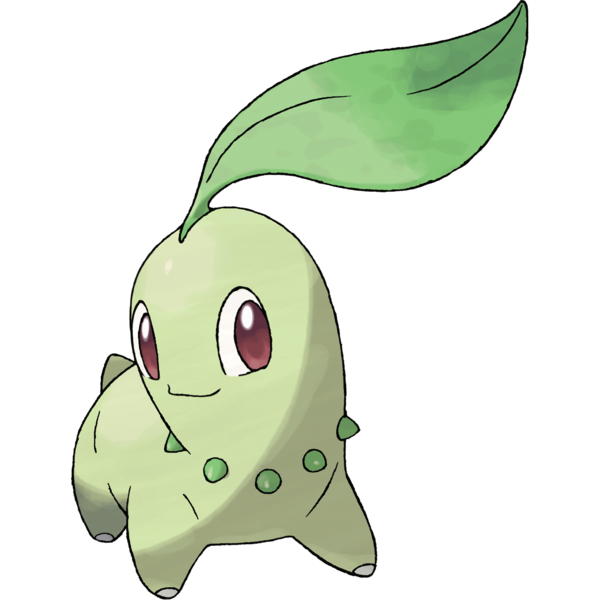
Image source: Dextraneous
Advanced Tips for Using Grass Types in Pokémon GO
Using plant Pokémon in the mobile hit Pokémon GO requires a different set of skills than the mainline games. Because the combat is real-time rather than turn-based, the value of a Grass-type is often tied to its "Energy Generation" and the speed of its Charged Attacks. Moves like Frenzy Plant are among the most powerful in the game, but they are often restricted to Community Day events.
One "insider" trick used by high-level players is the "Switch Pause." When you switch a Pokémon in a Team GO Rocket battle, the opponent stops attacking for approximately two seconds. Grass-types, which often rely on fast-charging moves like Leaf Blade , can use this window to generate enough energy for a Charged Attack before the opponent can even land a hit. This makes them exceptionally strong for clearing out Water or Ground-type Rocket grunts without taking any damage.
To manage your collection effectively, you can use specific search strings in the app. For example, typing
grass&!lucky
will show you all your Grass-types that aren't "Lucky," helping you decide which ones to trade. Additionally, using the
@special
tag will filter for Pokémon that have exclusive moves like the aforementioned
Frenzy Plant
, which is essential for competitive Master League play.
How the Community Proposes to Fix the Grass Type Balance
Despite their popularity, many fans believe the Grass type needs a mechanical overhaul to stay competitive with newer types like Fairy or Steel. On forums like Bulbagarden , the "Fixing the Grass Type" debate is a perennial topic. The most common suggestion is to remove the Flying-type resistance to Grass attacks or to give Grass-types a resistance to Fairy-type moves.
The argument is that Grass is "objectively inferior" because it has the most weaknesses and the most resistances against it. However, some players argue that the type is perfectly balanced as a "high-skill" category. They point to the success of Pokémon like Kartana and Rillaboom as proof that with the right stats and abilities, Grass-types can be among the most dominant forces in the game. The consensus remains that while the type itself has flaws, individual "plant" designs are often given powerful tools to compensate.
"The Grass type isn't meant to be a hammer; it's meant to be a scalpel. You don't win by overpowering the opponent; you win by making it impossible for them to play their game." — Community Meta-Analysis
Frequently Asked Questions
What is the strongest plant Pokémon?
In terms of raw offensive power, Kartana is widely considered the leader with its massive base Attack stat. However, for overall utility and staying power, Mega Venusaur (with its Thick Fat ability) or Rillaboom (with Grassy Glide) are often cited as top-tier contenders in various competitive formats.
Why is my plant Pokémon not a Grass-type?
This is a common source of confusion. Several Pokémon have botanical designs but different types. For example, Flabébé and Comfey are pure Fairy-types, while Sudowoodo is a pure Rock-type that only pretends to be a tree. Always check the summary screen to confirm the actual typing.
Which plant Pokémon has the biggest mouth?
The "big mouth" title is a tie between Victreebel and Carnivine . Both are based on carnivorous plants (Pitcher Plant and Venus Flytrap, respectively) and feature large, gaping maws as their primary design element. Gloom also features a large, nectar-filled mouth.
How many Grass-type Pokémon are there in 2026?
As of late 2026, there are approximately 152 Grass-type Pokémon . This number includes regional forms (like Alolan Exeggutor), Mega Evolutions, and various forms like the different seasons of Deerling. They make up roughly 13% of the total Pokédex.
What are Grass-types weak to?
Grass-types have five primary weaknesses: Fire, Ice, Poison, Flying, and Bug . This makes them one of the most vulnerable types defensively, requiring trainers to use secondary types or held items like Focus Sashes to survive powerful hits.
Key Takeaways for Plant Pokémon Fans
Whether you are a casual collector or a competitive strategist, the world of Grass-type Pokémon offers endless depth and botanical wonder. Here is what you need to remember:
- Terminology: "Plant" and "Grass" refer to the same official type category.
- Immunities: All Grass-types are naturally immune to powder and spore-based moves.
- Design: Most species are based on real-world botany, including carnivorous plants and fungi.
- Strategy: Grass-types excel at status conditions and utility rather than raw speed.
- Starter Triangle: They form the core of the game's balance alongside Fire and Water.
- Top Picks: Look for species like Kartana, Amoonguss, and Rillaboom for high-level play.
Next time you head into battle, try incorporating a Grass-type to see how their unique status immunities can turn the tide in your favor.